
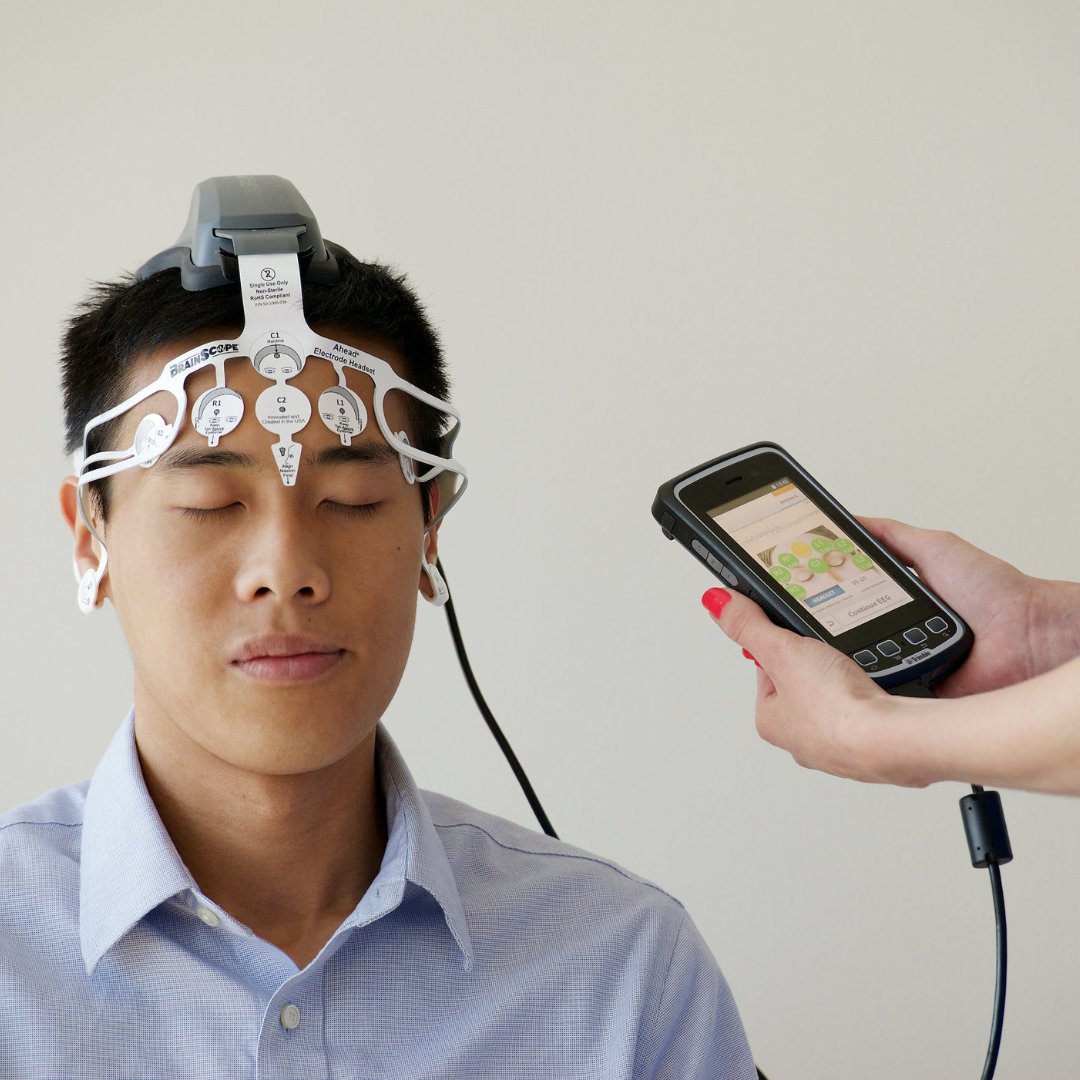
The relationship between neuroscience and mental health is becoming increasingly significant in understanding how the human brain influences behavior and emotional well-being. Research shows that advancements in cognitive neuroscience have unveiled crucial insights into the biological underpinnings of mental health conditions. This link offers new avenues for treatment and enhances the overall comprehension of various mental health disorders.
As scientists explore the intricate workings of the brain, they uncover how neural pathways and brain chemistry impact psychological conditions. By understanding these mechanisms, effective strategies can be developed to address issues such as anxiety, depression, and PTSD. This evolving field highlights the importance of integrating neuroscience into mental health practices.
Readers will find that the exploration of neuroscience not only sheds light on the complexities of mental illness but also provides hope for innovative therapies. Understanding the brain’s role in mental health can lead to improved interventions, making it essential for anyone interested in the future of psychological care.
Exploring the Brain-Behavior Relationship
The brain’s complex neural circuits play a crucial role in shaping behavior and cognitive functions. Understanding these interconnections provides valuable insights into mental health.
Neural Circuits and Mental Processes
Neural circuits are networks of neurons that communicate through neurotransmitters. These circuits are fundamental in regulating mood, perception, and behavior. Research shows that specific circuits are linked to emotional responses, indicating that disturbances can lead to mental health issues such as depression and anxiety.
For instance, the corticolimbic circuit involves areas such as the amygdala and prefrontal cortex, which contribute to emotional regulation. Dysfunction in this circuit has been associated with heightened anxiety and emotional dysregulation. Furthermore, researchers can explore polyvagal theory’s impact on trauma healing, which can be one way to understand the body’s response to trauma. This can provide more information on how the autonomic nervous system can influence emotional and physiological states. By studying these relationships, scientists aim to identify targets for therapeutic interventions.
Neuroimaging and Cognitive Functions
Neuroimaging techniques, like fMRI and PET scans, allow researchers to visualize brain activity and structure in real-time. These methods have revealed how different brain regions are activated during specific tasks, providing insight into cognitive functions such as memory, attention, and decision-making.
For example, studies using neuroimaging have identified the role of the hippocampus in memory consolidation. Understanding these patterns can illuminate the neural basis of cognitive impairments related to various mental health disorders, thus guiding treatment strategies.
Neuroplasticity and Brain Health
Neuroplasticity refers to the brain’s ability to reorganize and adapt throughout life. This plasticity is crucial for recovery from brain injuries and the treatment of mental health disorders. Continued research demonstrates how experiences, learning, and therapy can strengthen or weaken neural pathways.
Engaging in activities that stimulate the brain can enhance neuroplasticity. This includes cognitive training, physical exercise, and mindfulness practices. Such approaches can promote resilience, improve cognitive function, and boost overall mental well-being, highlighting the interconnectedness of brain health and behavior.
Mental Disorders and Neuroscientific Insights
Neuroscience provides critical insights into how mental disorders develop and manifest. It explores both genetic predispositions and environmental influences that play significant roles in various psychiatric conditions.
Psychiatric Genetics and Environmental Interactions
Research indicates that genetic factors contribute significantly to mental illnesses, such as schizophrenia and major depressive disorder. Specific gene variations have been linked to increased susceptibility to these conditions.
Environmental factors, including trauma and stress, often interact with these genetic predispositions. This interaction can lead to the onset of disorders or exacerbate existing conditions. Comorbidity is common, as individuals with one disorder often develop others, influenced by both genetic and environmental components.
Neurodevelopmental and Mood Disorders
Neurodevelopmental disorders, such as attention-deficit/hyperactivity disorder (ADHD) and autism spectrum disorder, underscore how brain development influences behavior. Neuroimaging studies show structural and functional differences in the brains of individuals with these disorders.
Handling these types of disorders can be hard on individuals, especially as they grow up and make their way in the working world. Luckily, you can find the perfect job when you’re autistic or have ADHD, etc. There are some great websites out there that provide jobs and career insights for people who need help when choosing how they can navigate this part of their life. Being a productive member of society is what we all aspire to do, and those who have neurodevelopmental disorders just want the same as everyone else.
Mood disorders, like bipolar disorder and major depressive disorder, also have identifiable neurobiological underpinnings. Changes in neurotransmitters, such as serotonin and dopamine, are critically linked to mood regulation. Data suggest that both genetics and early-life stressors can significantly impact brain development, leading to these mood disorders.
Addiction and Impulse-Control Disorders
Addiction and impulse-control disorders, including substance abuse and obsessive-compulsive disorder, represent a complex interplay between genetics and environmental triggers. Genetic factors can predispose individuals to addictive behaviors, while environmental influences, such as the availability of substances, play a crucial role in the development of addiction.
Neuroscientific studies have identified specific brain circuits involved in reward processing and impulse control. Disruptions in these circuits often lead to impaired decision-making and increased compulsivity, reinforcing the cycle of addiction. Treatment approaches increasingly focus on understanding these underlying neurobiological factors to improve outcomes for affected individuals.
Prevention, Intervention, and Treatment Strategies
Effective strategies for prevention, intervention, and treatment of mental health conditions significantly enhance mental health outcomes. Emphasizing early detection, innovative therapies, and lifestyle adjustments contributes to improved quality of life for individuals at risk. Many clinics now offer targeted services such as ADHD testing, medication management, transcranial magnetic stimulation (TMS), and ketamine therapy; for example, Serenity Healthcare tends to provide comprehensive, individualized treatment plans that integrate these options to help patients achieve better outcomes.
Impact of Early Detection and Prevention
Early detection of mental health conditions plays a crucial role in improving outcomes. Identifying risk factors and symptoms through regular screenings allows for timely intervention, which can reduce the severity of disorders.
Key strategies include:
- Routine Assessments: Monitoring mental health through check-ups can catch issues before they escalate.
- Community Programs: Initiatives aimed at enhancing resilience can equip individuals with coping strategies.
Prevention efforts often incorporate education about mental health, helping to reduce stigma and encouraging individuals to seek help earlier. Following through with interventions can significantly enhance cognitive reserve and resilience.
Clinical Trials and Emerging Therapies
Clinical trials are essential for exploring new treatments, particularly for individuals with treatment-resistant depression. These trials assess the efficacy of innovative approaches, such as deep brain stimulation and gene therapy.
Recent clinical research has identified biomarkers that may predict responsiveness to certain treatments, enabling more personalized therapy choices.
Current areas of exploration include:
- Psychotherapy Innovations: Techniques like cognitive behavioral therapy (CBT) show promise.
- Pharmacological Advances: New medications are being developed that target different neurotransmitter systems in the brain.
Each of these advancements highlights the need for continued investment in mental health research to foster effective treatment options.
The Role of Lifestyle in Mental Well-being
Lifestyle choices significantly influence mental health and resilience. A balanced diet, regular exercise, and sufficient sleep are foundational elements that enhance mental health outcomes. Practicing self-care is also a top priority. Whether you’re looking into new hobbies like yoga or a skin care treatment like a Facial near me in Jacksonville, FL, or a local service, you need to ensure that you’re choosing the best self-care method for you and your needs.
Considerations include:
- Nutrition: Diets rich in omega-3 fatty acids can support brain health.
- Physical Activity: Regular exercise is linked to reduced symptoms of anxiety and depression.
- Social Connections: Building strong relationships contributes to emotional support and resilience.
Incorporating these lifestyle strategies can improve stress resilience and overall quality of life, making them essential components of mental health care.
Emerging Trends in Neuroscience Research
Recent advances in neuroscience highlight critical connections between biological and psychological factors affecting mental health. These emerging trends offer innovative insights into treatment approaches and potential pathways for addressing mental health challenges.
Computational Psychiatry and Machine Learning
Computational psychiatry leverages advanced algorithms and machine learning to improve diagnostic accuracy and treatment personalization. By analyzing large datasets, researchers can identify pathophysiological mechanisms that underlie various mental disorders.
This approach facilitates understanding how psychological research interacts with biological data, including neuroimaging results from techniques like positron emission tomography. Such analysis helps in discovering biomarkers for treatment response, enabling targeted interventions based on individual profiles.
Neuroscience of Socioeconomic Factors
The intersection of neuroscience and socioeconomic factors is garnering attention. Findings indicate that environmental pollutants can negatively impact brain function and mental health. Neuroimmune interactions also play a pivotal role, as chronic stress from socioeconomic disadvantages can alter brain connectivity and functioning.
Research emphasizes how personality traits influence neurobiological responses to stress. Individuals from different socioeconomic backgrounds can exhibit varying levels of resilience or vulnerability, which underscores the importance of understanding social cognition in mental health treatment.
Integrative Biopsychosocial Perspectives
Integrative biopsychosocial models consider the interplay between biological, psychological, and social factors affecting mental health. This approach recognizes that mental well-being is influenced by diverse elements, including the gut microbiome and physiological stress responses.
Health psychology and behavioral medicine are increasingly leveraging these integrative perspectives to develop comprehensive treatment strategies. Interoception also emerges as a critical factor in how individuals experience and regulate emotional states. This comprehensive outlook reflects a shift towards personalized care based on a nuanced understanding of individual experiences and contexts.
Leave a Reply