
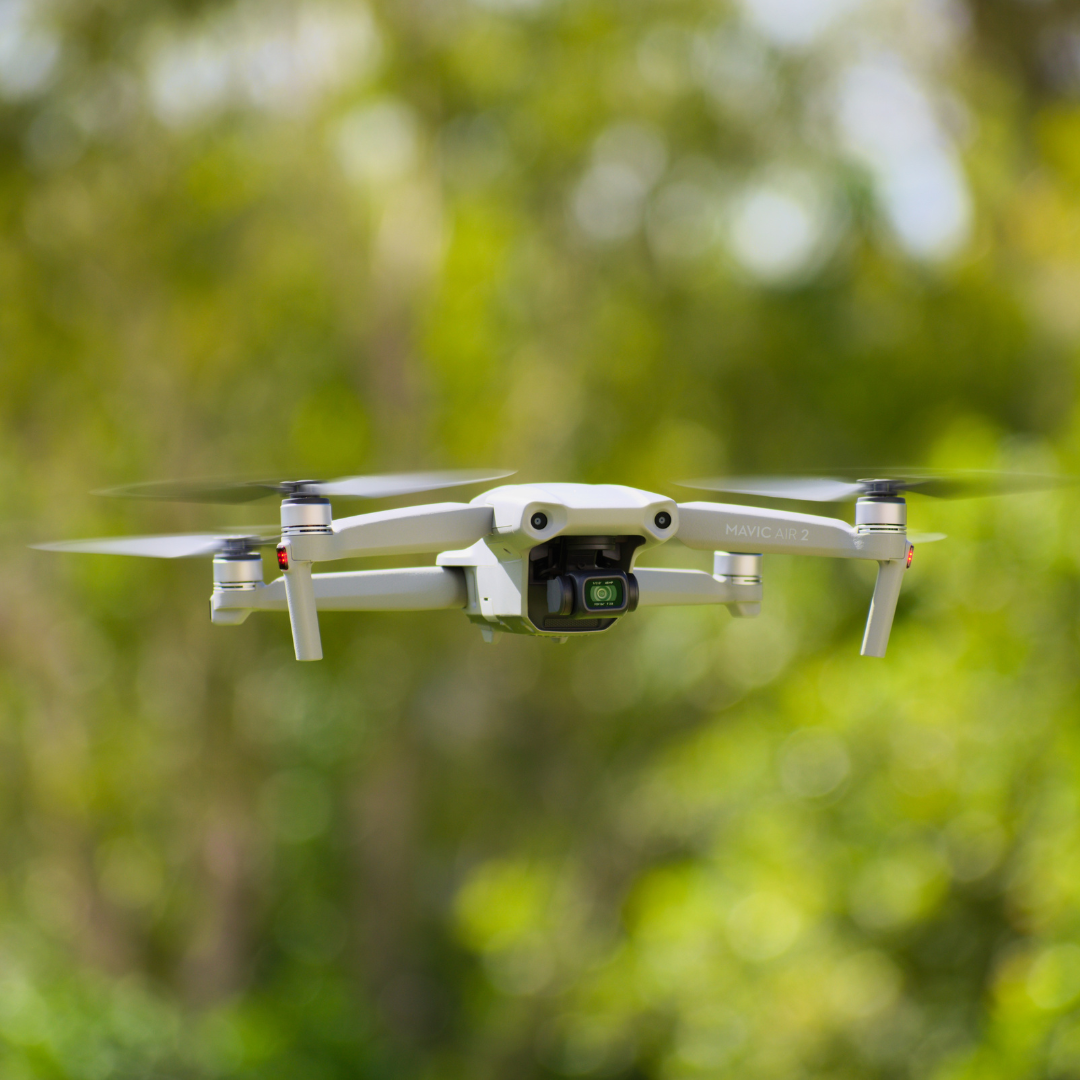
Drones are becoming a vital tool in wildlife conservation efforts across the globe. These unmanned aerial vehicles (UAVs) provide innovative solutions for monitoring and protecting endangered species and their habitats. By using drones, conservationists can gather critical data, monitor wildlife movements, and even deter poachers, making them an essential resource in the fight to preserve biodiversity.
The ability to cover vast areas quickly and efficiently allows drones to facilitate research that was once difficult or impossible. They can capture high-resolution images, track animal populations, and assess environmental health with precision. This technology empowers conservationists to implement targeted protection strategies, ultimately contributing to the sustainability of ecosystems.
As the challenges facing wildlife continue to grow, integrating drones into conservation practices represents a significant advancement. These tools not only enhance data collection but also foster a deeper understanding of wildlife behavior. The impact of UAV technology on conservation underscores the potential for innovative approaches to protect the planet’s most vulnerable creatures.
The Role of Drones in Wildlife Conservation
Drones significantly enhance wildlife conservation efforts by providing advanced tools for monitoring and protection. Their capabilities enable conservationists to facilitate data collection and improve response strategies in protected areas.
Aerial Surveillance for Protection
Aerial surveillance using drones allows conservationists to monitor vast and often inaccessible wildlife habitats. Drones can cover large areas quickly, offering real-time data on animal movements and environmental changes. This technology is vital for detecting poaching activities, which threaten endangered species.
Drones equipped with high-resolution cameras can capture detailed images of both wildlife and their surroundings. This visual information aids in assessing the health of ecosystems and helps identify areas that require immediate intervention. By providing an aerial perspective, drones optimize patrol routes and enhance the effectiveness of anti-poaching efforts.
Thermal Imaging and Species Monitoring
Thermal imaging technology integrated into drones plays a crucial role in species monitoring. Thermal cameras can detect heat signatures, making it easier to locate animals during both day and night. This capability is especially beneficial for tracking elusive or endangered species that may be hidden in dense vegetation.
Additionally, thermal imaging allows conservationists to monitor population dynamics and behavior without disturbing wildlife. They can assess nesting sites and spot illegal activities within protected areas. This non-intrusive approach contributes to more accurate data collection, essential for evaluating conservation strategies.
UAVs as Conservation Tools
Unmanned Aerial Vehicles (UAVs) serve as versatile tools in biodiversity conservation. They can be utilized for mapping habitats, assessing environmental changes, and even conducting surveys of flora and fauna. This information is invaluable for developing targeted conservation strategies.
Drones can also support habitat restoration projects by identifying areas that need reforestation or rehabilitation. With their ability to deliver supplies and monitor restoration efforts remotely, UAVs enhance the efficiency and effectiveness of these initiatives. By integrating drones into conservation efforts, practitioners can advance their goals and improve overall biodiversity outcomes.
Ethics and Regulations in Conservation Drones
Drones play a crucial role in wildlife conservation, but their usage raises important ethical and regulatory questions. Responsible operation and adherence to legal frameworks are vital to ensure that drone technology benefits wildlife protection efforts without causing harm.
Ensuring Responsible Drone Operation
Responsible drone operation involves several ethical considerations. Operators must prioritize safety for both wildlife and any human observers. Careful planning is essential to minimize disturbances to animals during sensitive periods, such as breeding or nesting seasons.
Operators should also maintain a clear understanding of the local ecosystem. This includes recognizing specific behaviors of the wildlife being studied. A thorough assessment of potential environmental impacts is necessary before conducting drone flights.
In South Africa, the Civil Aviation Authority mandates certain guidelines for drone use, ensuring not just safety but also compliance with conservation efforts. This emphasizes the need for drone operators to be trained and certified.
Compliance with Wildlife Protection Laws
Compliance with wildlife protection laws is imperative when using drones for conservation. These regulations vary by region and can include protections for endangered species and their habitats.
In South Africa, operators must understand legislation such as the National Environmental Management Act. Failing to adhere to these laws can lead to severe penalties and undermine conservation objectives.
Privacy concerns also arise, especially when drones are used in populated areas. Protective measures should be taken to respect the rights of individuals while using drones for research. Ensuring transparency in drone operations helps build public trust and supports conservation initiatives.
Advancements and Future of Drones in Conservation
Advancements in drone technology are significantly enhancing conservation efforts. The integration of artificial intelligence and the impact of climate change are pivotal in shaping future applications for wildlife protection.
Integrating Artificial Intelligence
Artificial intelligence (AI) is revolutionizing drone operations in conservation. Drones equipped with AI can analyze vast amounts of data collected during flights, identifying patterns and making real-time decisions. For instance, machine learning algorithms can help specify locations of endangered species by analyzing images captured from the air.
Moreover, AI allows for automated monitoring of wildlife populations and habitats. This can include tracking animal movements, detecting poaching activities, and assessing environmental health through multispectral imaging. As AI technology advances, the efficiency and accuracy of data collection will continue to improve, leading to more effective conservation strategies.
Impact of Climate Change on Conservation Practices
Climate change poses significant challenges for conservation efforts, changing habitats and species distributions. Drones can play a vital role in monitoring these shifts. They provide real-time data on environmental changes, such as vegetation loss and water availability, which helps conservationists adapt strategies accordingly.
Additionally, drones facilitate rapid assessments of affected areas after climate-related events, like wildfires or floods. This allows organizations to respond swiftly and implement recovery plans. By leveraging drone technology, conservationists can stay informed about changing ecosystems and develop innovative solutions to counteract environmental threats.
Leave a Reply