
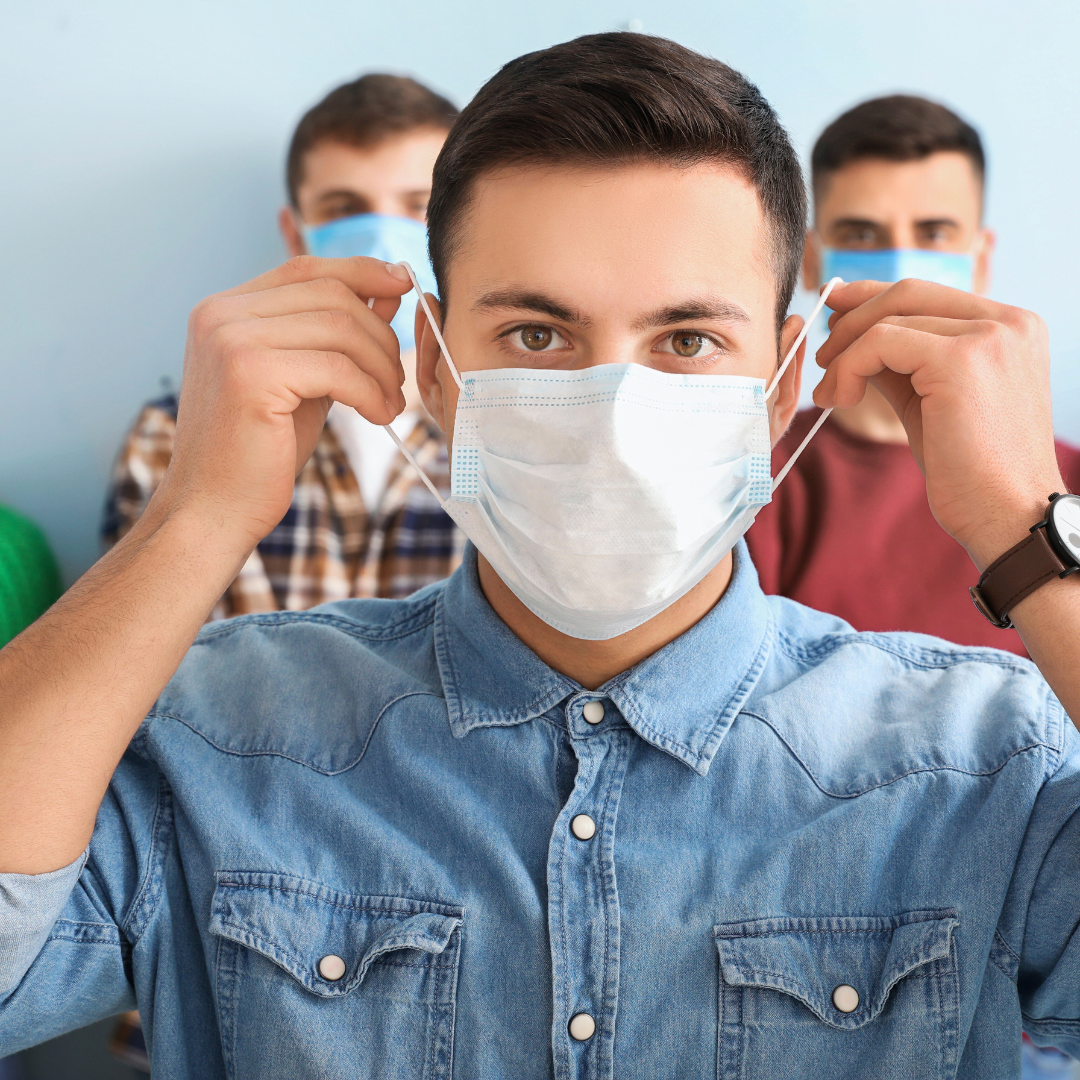
Climate change is not just an environmental issue; it is a significant public health threat reshaping the landscape of diseases worldwide. As temperatures rise and weather patterns shift, the spread of infectious diseases can accelerate, creating new challenges for health systems. Addressing climate change is crucial for preventing the spread of diseases and protecting public health on a global scale.
Rising temperatures and extreme weather events create favorable conditions for disease-carrying organisms, such as mosquitoes and ticks, to thrive. This can lead to the emergence and resurgence of diseases like malaria, dengue fever, and Lyme disease. By understanding these connections, communities can implement strategies to mitigate risks and enhance preventative measures.
Combating the link between climate change and disease requires a multifaceted approach, including improved public health infrastructure, increased surveillance, and greater community awareness. By investing in sustainable practices and prioritizing health initiatives, societies can not only reduce the effects of climate change but also safeguard their populations against its health impacts.
Climate Change and Disease Emergence
Climate change significantly influences the emergence and spread of diseases. It affects disease transmission dynamics through rising temperatures, extreme weather events, and changes in land use patterns. Each of these factors contributes to altering ecosystems and increasing human vulnerability to health risks.
Rising Temperatures and Vector-Borne Diseases
Global warming elevates temperatures, creating optimal conditions for vectors such as mosquitoes and ticks. These insects thrive in warmer environments, expanding their geographic range. As they move into new areas, they can introduce diseases like malaria, dengue fever, and Lyme disease to previously unaffected populations.
Increased temperatures can also shorten the incubation period of pathogens within vectors. This leads to higher disease transmission rates. For example, mosquitoes can reproduce more quickly, leading to larger populations that can infect more individuals.
To reduce these risks, small, consistent preventive measures can make a significant difference. Limiting breeding grounds and preventing insects from entering living spaces are key. Keeping windows and doors closed during peak mosquito activity, usually early morning and evening, can minimise indoor exposure.
Eliminating stagnant water around the home is equally important, as even tiny amounts collected in plant trays, buckets, or discarded containers can become ideal mosquito breeding sites. Regular drain cleaning, preferably with the help of a professional Drain Cleaning Service, also helps prevent water buildup and significantly reduces the risk of insect infestation.
Additional measures can offer even stronger protection. Installing window and door screens can allow fresh air to circulate while keeping insects out. Using mosquito nets, particularly in sleeping areas, provides a safe barrier against bites overnight. Natural repellents like citronella candles or essential oil diffusers can also help discourage insects from entering living spaces.
Extreme Weather Events and Disease Outbreaks
Extreme weather events, including hurricanes, floods, and droughts, disrupt ecological balance and facilitate disease outbreaks. Flooding can create stagnant water where mosquitoes breed, increasing the risk of transmission for diseases such as West Nile virus and Zika.
Additionally, these events can damage infrastructure, impeding access to healthcare and sanitation. This leads to higher disease vulnerability in affected communities. The disruption of clean water supplies can further compound health risks, facilitating waterborne diseases like cholera and gastrointestinal infections.
Land Use Changes and Zoonotic Diseases
Changes in land use, including deforestation and urbanization, increase human exposure to zoonotic diseases. Encroachment into wildlife habitats often results in closer interactions among species, heightening the risk of disease spillover to humans.
The destruction of forests limits natural barriers against pathogens, facilitating their spread. Deforestation has been linked to various diseases, including Ebola and HIV, as human activities disrupt wildlife habitats and increase pathogen transmission pathways. These dynamics illustrate the integral connection between land use and health risks in the era of climate change.
Health Impacts of Climate-Driven Disease Spread
Climate change significantly alters the spread of infectious diseases, endangering health systems globally. As temperatures rise and weather patterns shift, diseases like malaria, dengue, and Lyme disease increasingly affect new populations. Understanding these impacts is crucial for effective health care responses.
Expanding Reach of Infectious Diseases
Climate change facilitates the expansion of vector-borne diseases. For instance, warmer temperatures create favorable conditions for mosquitoes, which are primary carriers of diseases like dengue and malaria.
The geographic range of these vectors shifts, resulting in outbreaks in areas previously unaffected. According to the World Health Organization, malaria cases could increase by over 50% in some regions as climate conditions become more suitable.
In addition to mosquitoes, ticks that transmit Lyme disease are also moving northward. This shift heightens health risks in previously low-incidence areas, placing a strain on local healthcare resources.
Challenges in Disease Prediction and Prevention
Predicting disease spread due to climate change presents significant challenges. Current predictive models often struggle to account for the complex interactions between climate variables and disease dynamics.
For example, temperature fluctuations, humidity levels, and precipitation all influence vector populations differently. This variability complicates the development of effective prevention strategies.
Moreover, healthcare systems may be ill-prepared to handle the influx of new cases. Enhanced surveillance and early warning systems are necessary to adapt to changing disease patterns but require resources and training that may be lacking in vulnerable regions. Addressing these challenges is essential to mitigate the health impacts of climate-driven diseases.
Strategies for Combating Climate-Related Disease Risks
Addressing climate-related disease risks requires coordinated public health efforts and innovative technologies. The focus is on proactive measures that can mitigate the impacts of changing environmental conditions on disease dynamics.
Public Health Responses to Disease Threats
Public health agencies, including the CDC and the World Health Organization, play a vital role in tackling climate-related diseases. They implement surveillance systems to track disease outbreaks and identify emerging threats.
Community health initiatives focus on education regarding preventive measures. Vaccination programs, especially in vulnerable areas, are critical in curbing disease spread.
Strengthening healthcare infrastructure helps improve response time during outbreaks. Collaboration between governments and international organizations enhances resource-sharing.
Implementing vector control strategies is also essential, especially in areas prone to outbreaks of diseases like malaria and dengue fever. These actions help minimize disease transmission and protect public health.
Innovations in Disease Monitoring and Control
Technological innovations are transforming disease monitoring and control. Geographic Information Systems (GIS) are increasingly used to map disease outbreaks and identify high-risk areas.
Wearable health technology provides real-time data on symptoms, linking users to healthcare providers promptly. This enables quicker response and containment of the disease.
Remote sensing tools assess environmental changes affecting disease vectors. By monitoring conditions such as temperature and humidity, experts can predict areas at risk for outbreaks.
Mobile applications facilitate public health communication, providing timely updates and preventive measures to communities. Integrating such technologies enhances preparedness against climate-related health threats.
The Role of Research and Collaboration
Research and collaboration play crucial roles in understanding how climate change affects disease dynamics. Insights gained from various scientific disciplines enable the development of effective strategies to combat emerging health threats linked to environmental changes.
Studying Pathogen Ecology and Evolution
Research focused on pathogen ecology and evolution is essential for identifying how climate change influences harmful pathogens. Microbiology studies reveal that species such as Vibrio can thrive in warmer waters, increasing the likelihood of marine infections.
Fungal diseases, like those caused by Candida auris, can also spread more widely due to changing climatic conditions. Understanding these patterns helps scientists predict disease outbreaks. Incorporating models of environmental factors allows for better forecasting of disease incidence in both human and animal populations.
Monitoring animal migration is vital, as shifts in wildlife habitats can introduce new pathogens to human communities. This understanding guides public health responses and informs guidelines to protect at-risk populations.
Global Partnerships for Disease Mitigation
Global partnerships are fundamental in the fight against climate-related diseases. Collaborative efforts among governments, researchers, and health organizations enhance data sharing and resource allocation. This cooperation fosters comprehensive surveillance systems that track pathogen movement and potential outbreaks.
Initiatives like the Global Health Security Agenda focus on strengthening health infrastructure globally. They emphasize preparedness for emerging diseases through shared research agendas.
Investment in technology and training enables local health authorities to respond rapidly to new threats. Actionable insights from joint research facilitate the development of vaccines and treatments tailored to specific pathogens influenced by changing climates.
Strengthening these partnerships is crucial for creating resilient health systems capable of addressing the interconnected challenges posed by climate change and infectious diseases.
Leave a Reply