
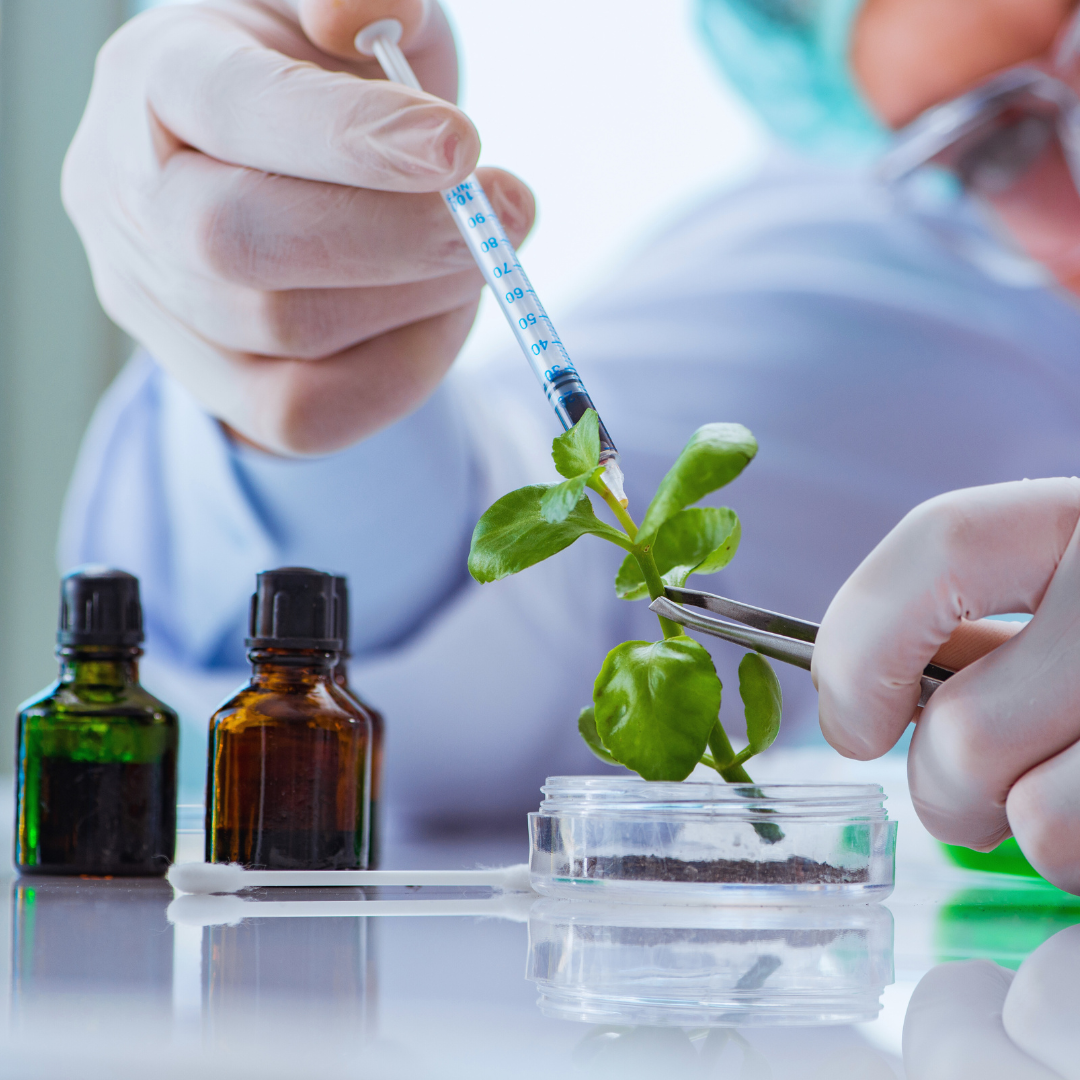
Biotechnology plays a crucial role in environmental protection by offering innovative solutions to some of the most pressing challenges facing the planet. Through the application of scientific principles and advanced technology, biotechnology enables the development of sustainable practices that reduce pollution, enhance waste management, and promote conservation of natural resources. By harnessing the power of living organisms, scientists can create bio-based products and processes that mitigate environmental harm.
The integration of biotechnology in agriculture leads to more efficient farming practices, reducing the need for harmful pesticides and fertilizers. This not only lowers the ecological footprint of food production but also contributes to biodiversity preservation. Moreover, bioremediation techniques utilize microbes to clean up contaminated sites, showcasing the potential of biotechnology to restore ecosystems.
As the world grapples with climate change and resource depletion, biotechnology stands out as a vital tool for fostering a healthier environment. By leveraging advancements in science and technology, it paves the way for a sustainable future, ensuring that both the planet and its inhabitants thrive.
Biotechnology in Agriculture
Agricultural biotechnology significantly contributes to sustainable farming practices, enhancing food production while addressing environmental challenges. It encompasses various techniques, including the development of genetically modified crops that benefit both producers and consumers.
Genetically Modified Crops and Food Production
Genetically modified (GM) crops are engineered to exhibit desirable traits such as pest resistance, herbicide tolerance, and enhanced nutritional content. These modifications can lead to higher yields and decreased reliance on chemical inputs.
In developing countries, GM crops have proven beneficial by improving food security. They enable farmers to cultivate crops in challenging climates and poor soils, which is crucial in areas with limited resources.
The adoption of GM technology has also translated to economic benefits for farmers due to reduced losses from pests. This innovation helps ensure a stable food supply as populations grow.
Biotech Crops and Climate Change
Biotech crops are playing a pivotal role in climate change resilience. For instance, certain genetically modified varieties are designed to withstand extreme weather conditions, such as drought or flooding.
These crops help mitigate soil erosion by promoting healthier root systems, which stabilize the soil. This is especially important in regions susceptible to severe weather events exacerbated by climate change.
Moreover, sustainable agricultural practices facilitated by biotech innovations can reduce greenhouse gas emissions associated with traditional farming methods. This contributes to a more environmentally friendly approach to food production.
Environmental Biotechnology
Environmental biotechnology focuses on using biological processes to address environmental issues. This field encompasses methods for pollution reduction and innovative energy solutions, leveraging living organisms to enhance sustainability.
Microbial Remediation and Pollution Reduction
Microbial remediation employs microorganisms to degrade contaminants in soil and water. This approach is particularly effective for treating petroleum spills, heavy metals, and organic pollutants.
Key techniques include:
- Biostimulation: Enhancing microbial growth by adding nutrients.
- Bioaugmentation: Introducing specific strains of microorganisms that can break down pollutants more efficiently.
These methods can significantly reduce the presence of hazardous materials, leading to cleaner ecosystems. Research continues to explore optimizing microbial strains to increase their effectiveness in various environments.
Biotechnology Applications in Energy
Biotechnology plays a crucial role in developing renewable energy sources. Biofuels, produced from biological materials, are a notable application. They can replace fossil fuels, reducing greenhouse gas emissions.
Key biofuel types include:
- Ethanol: Derived from crops like corn and sugarcane.
- Biodiesel: Made from vegetable oils or animal fats.
In addition, innovative research focuses on converting waste into energy, further promoting environmental protection through resource efficiency. This leads to reduced landfill use and lower carbon footprints.
Biotechnology in Health and Pharmaceuticals
Biotechnology plays a crucial role in health and pharmaceuticals by facilitating the development of innovative drugs and therapies. It employs advanced techniques to enhance drug efficacy and create tailored treatments for various diseases.
Development of Pharmaceuticals
Biotechnology has transformed the development of pharmaceuticals, making drug discovery faster and more efficient. Techniques such as recombinant DNA technology allow for the production of proteins, antibodies, and vaccines that were previously difficult to synthesize.
In addition, methods like peptide tests are often used in this process to verify the structure, purity, and biological activity of engineered peptides, ensuring that new drugs perform safely and effectively in patients. Professional websites like www.peptidetest.com/ tend to provide ways for both individuals and organizations to access such regulatory testing processes.
The biopharmaceutical industry focuses on using biological sources to develop drugs. This includes monoclonal antibodies for cancer treatment and insulin for diabetes management. Continuous research and development in this field lead to more personalized medicine, improving patient outcomes.
Key methodologies include:
- High-throughput screening: Speeds up the identification of potential drug candidates.
- Bioinformatics: Analyzes biological data to enhance the drug development process.
Gene Therapy and Genetic Engineering
Gene therapy introduces or alters genetic material within a patient’s cells to treat disease. It targets the root cause of genetic disorders by correcting defective genes or providing new ones.
Genetic engineering enables precise modifications in DNA, leading to revolutionary treatments for conditions like cystic fibrosis and hemophilia. Techniques like CRISPR-Cas9 allow for targeted gene editing, making it possible to modify genes with unprecedented accuracy.
Applications include:
- Replacing defective genes: Allows for the correction of genetic mutations.
- Modifying immune responses: Enhances treatment for cancers and autoimmune disorders.
These advancements in gene therapy and genetic engineering showcase biotechnology’s potential to transform healthcare and improve lives significantly.
Economics of Biotechnology
Biotechnology plays a pivotal role in shaping economic dynamics. It influences employment levels and trade activities while attracting significant investment in research and industry development.
Impact on Employment and Trade
The biotechnology sector has created numerous job opportunities. Positions range from researchers and technicians to regulatory specialists and sales representatives. The demand for skilled labor is increasing, as companies require expertise in various scientific fields.
Trade in biotech products, including pharmaceuticals, agricultural products, and environmental solutions, has also seen substantial growth. Nations that invest in biotechnology benefit from enhanced exports, fostering economic stability. The global market for biotech products is projected to expand, further driving employment and trade.
Investment in Biotech Research and Industry Development
Investment in biotechnology research is crucial for industry advancement. Public and private sectors are increasingly investing in biotech firms, facilitating the development of innovative products. These investments lead to the creation of startups focused on unique applications in health, agriculture, and environmental sustainability.
Financial support for research projects often comes from venture capital and government grants. Such funding not only boosts innovation but also helps in building infrastructure critical for the biotech industry. Increased investment leads to a more competitive market, enabling rapid advancements in biotechnology.
Leave a Reply