
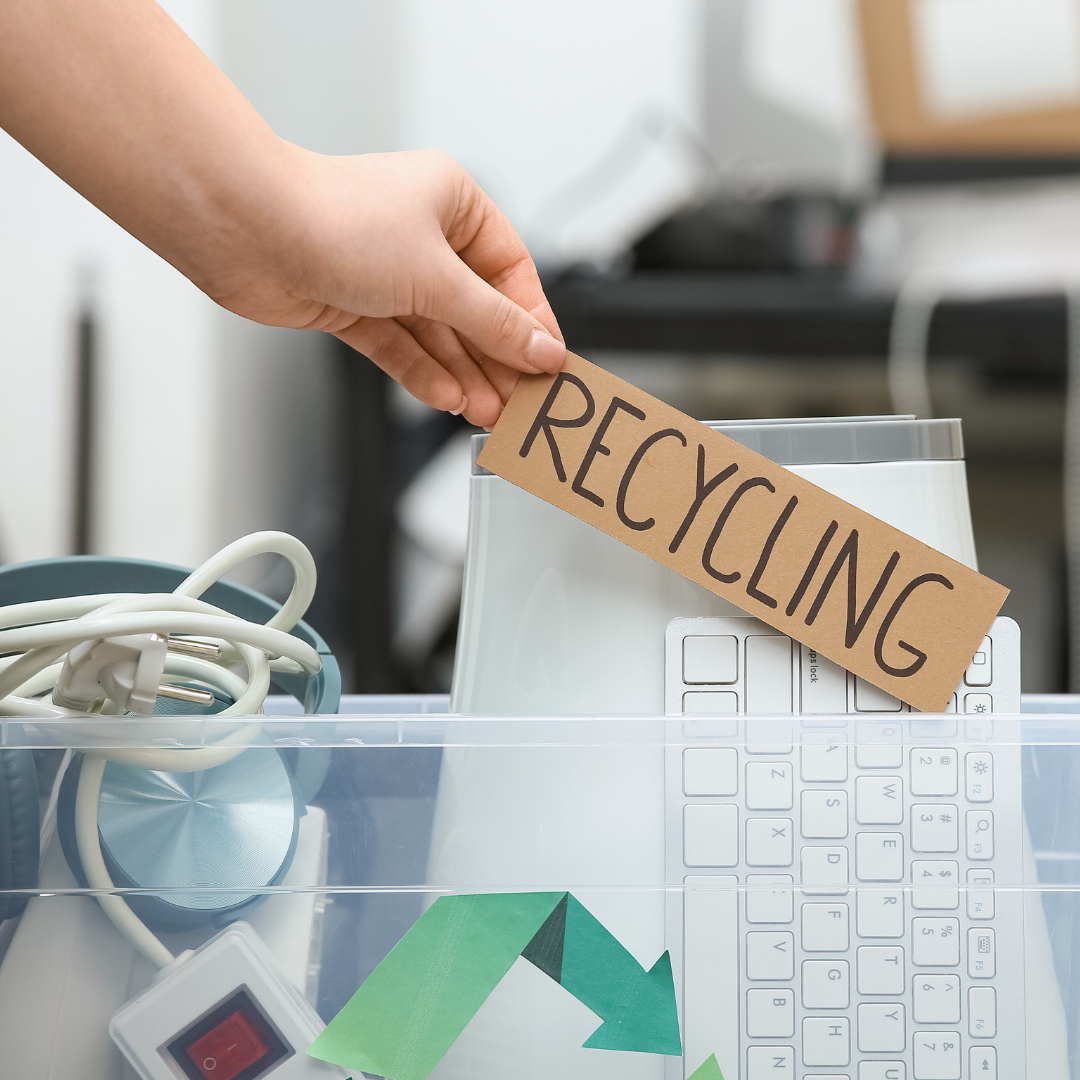
Recycling electronics safely means properly handling devices to prevent data theft, environmental harm, and comply with local regulations. The best way to recycle electronics safely is to delete personal data, remove batteries, and use certified e-waste recycling facilities.
Many electronics contain hazardous materials that can leak if discarded improperly. Knowing where and how to recycle these items protects both your information and the environment.
This guide will cover practical steps to prepare your electronics for recycling and how to find reliable recycling services near you. Taking these steps ensures your old devices are disposed of responsibly.
Why Safe Electronics Recycling Matters
Proper handling of electronic waste prevents environmental damage, protects human health, and recovers valuable materials. Understanding the risks and benefits highlights the importance of following safe recycling practices.
Environmental Impact of Improper Disposal
Improper disposal of electronics releases harmful substances like lead, mercury, and cadmium into soil and water. These toxins contaminate ecosystems and disrupt wildlife habitats.
When e-waste ends up in landfills or is burned, heavy metals leach into groundwater. This process contaminates drinking water sources and contributes to air pollution through toxic fumes.
Electronic waste also contains recoverable materials such as copper, gold, and rare earth metals. Losing these through careless disposal increases the need for environmentally damaging mining activities.
Health Risks of Electronic Waste
Electronic waste exposure poses significant health hazards to workers and communities. Toxic chemicals from improperly handled e-waste can cause respiratory problems, skin conditions, and neurological damage.
In informal recycling sectors, workers often lack protective equipment, increasing the risk of injury and chronic illnesses. Children in nearby communities face heightened risk due to the development of their immune and nervous systems.
Hazardous substances can enter the food chain through contaminated water and soil, affecting broader populations. Proper handling reduces these risks by containing and neutralizing dangerous materials safely.
Benefits of Proper e-Waste Recycling
Safe electronic recycling recovers valuable metals, reducing reliance on mining and conserving natural resources. This helps minimize environmental degradation linked to metal extraction.
Recycling also prevents hazardous substances from entering the environment, lowering air and water pollution. Facilities designed for e-waste safely dismantle components and manage toxins effectively.
Communities benefit economically when e-waste is processed responsibly, creating jobs in certified recycling operations. Proper recycling supports sustainable resource management while protecting public health.
Types of Electronics Suitable for Recycling
Many electronics can be recycled safely, provided they are properly sorted and prepared. Items range from everyday gadgets to specialized industrial equipment, each requiring specific handling due to its components and hazards.
Common Household Devices
Household electronics commonly recycled include smartphones, laptops, tablets, and televisions. These devices often contain valuable metals like gold, silver, and copper, which are recoverable. Batteries inside these devices must be removed carefully to prevent leaks or fires during processing.
Other frequently recycled items are printers, DVD players, and household routers. Many recycling centers accept these due to the presence of circuit boards and plastics that can be repurposed. Make sure to delete personal data before recycling digital devices.
Office and Business Electronics
Office electronics include desktop computers, fax machines, copiers, and networking hardware. These often come with removable parts, such as hard drives, which need secure data destruction. Keyboards, monitors, and power supplies can also be recycled based on the facility’s policies.
Business electronics frequently involve larger volumes, requiring coordination with certified e-waste recyclers. Items like servers and specialized telecom equipment must be handled according to strict environmental regulations to ensure hazardous materials are managed safely.
Specialty and Industrial Equipment
Specialty electronics include medical devices, laboratory equipment, and industrial controls. These often contain more complex materials and components, such as mercury switches or rare-earth magnets, requiring specialized recycling processes.
Industrial electronics, like programmable logic controllers (PLCs) and large-scale machinery controllers, often integrate hazardous substances. Recycling centers equipped to work with these devices follow protocols to avoid environmental contamination and maximize material recovery.
Preparing Electronics for Recycling
Proper preparation is essential to ensure electronics are recycled safely. This includes securing personal data, organizing devices efficiently, and removing harmful components before handing items off for recycling.
Data Removal and Security Precautions
Before recycling, delete all personal data from your devices. This includes performing a factory reset on smartphones, tablets, and computers. For added security, use specialized wiping software to overwrite existing data.
Remove or deactivate accounts linked to the device, such as Apple ID or Google account, to prevent activation locks. Back up important data elsewhere before erasing.
Physically destroying storage drives can be an option when dealing with sensitive information. Always ensure no personal or financial information remains accessible.
Sorting and Organizing Devices
Sort electronics by type and functionality before recycling. Group items like smartphones, laptops, monitors, and cables separately to facilitate processing.
Check if some devices still function and could be donated or sold instead of recycled. Label boxes clearly to avoid confusion.
Keep accessories like chargers and cords together but separate from main devices. This reduces handling time for recyclers and increases the chances of proper reuse or recycling.
Removing Batteries and Hazardous Components
Remove all batteries from devices if possible. Lithium-ion and other rechargeable batteries require special handling due to fire risks.
Identify and take out hazardous parts such as CRT tubes, mercury switches, or capacitors. These components can be toxic and demand careful disposal.
Use tools designed for these tasks, and wear protective gloves. If unsure, seek guidance from local recycling centers on safe removal procedures.
Finding Certified Electronics Recycling Centers
Locating a reliable electronics recycling center involves confirming certifications, exploring local recycling programs, and considering manufacturer or retailer take-back options. Each method offers distinct advantages for safe and responsible disposal.
How to Verify Certifications
Certified recycling centers comply with standards like R2 (Responsible Recycling) or e-Stewards. These certifications ensure proper handling of hazardous materials and data security.
Check the recycler’s certificate on official websites such as the R2 Solutions database or the e-Stewards directory. Look for expiration dates and certification scopes.
Ask the center directly about their certification status and request documentation. Certification signifies compliance with environmental laws and responsible processing.
Using Local Recycling Programs
Many cities and counties offer electronics recycling services with scheduled collection events or permanent drop-off locations. These programs follow strict guidelines enforced by local governments.
Visit your municipality’s website to find dates, accepted items, and any fees. Some programs provide curbside pickup for smaller electronics.
Advantages include free or low-cost disposal and convenience, but verify that the program partners with certified recyclers. Not all local efforts guarantee environmentally sound processing.
Manufacturer and Retail Take-Back Options
Some electronics manufacturers and large retailers run take-back initiatives. These programs accept specific devices for recycling or refurbishment.
Check brand websites or in-store information to confirm eligibility and drop-off locations. Examples include Apple’s Trade-In program or Best Buy’s recycling kiosks.
Such options often provide easy access and assurance of responsible recycling. They can also offer incentives like discounts or gift cards for returned items.
Safe Transportation and Drop-Off Procedures
Proper handling during transport and drop-off reduces damage and ensures compliance with local regulations. Preparing electronics securely and knowing what to expect at facilities helps prevent delays and loss. Scheduling in advance often simplifies the process.
Packaging Electronic Devices for Transport
Electronic devices must be packed to prevent damage from shocks, moisture, and static electricity. Use original boxes when possible, or sturdy containers with ample cushioning like bubble wrap or foam inserts. Seal cables separately to avoid tangling or breakage.
Label fragile items clearly and keep batteries in their original packaging, or remove them if the facility requires. Avoid packing devices with liquids or food to prevent contamination. Secure lids and covers to protect sensitive components.
Make sure devices are dry and free of loose parts. For larger items, secure them in place to avoid movement during transport. Using anti-static bags for circuit boards or hard drives reduces the risk of static damage.
What to Expect at e-Waste Facilities
At e-waste drop-off points, staff usually inspect electronics for hazardous materials and data storage. You may need to sign forms confirming safe handling and data removal.
Facilities separate items into categories such as batteries, screens, and circuit boards. Some require the removal of batteries or accessories before acceptance. Follow staff instructions carefully to avoid rejection of equipment.
Wait times can vary depending on volume and facility size, so plan accordingly. Many centers offer bins or stations for specific electronics, where you deposit items yourself under supervision. Some facilities may provide receipts or certificates of recycling.
Scheduling Pickups and Drop-Offs
Many cities require appointments for large electronic item drop-offs. Check local municipality websites or recycling programs for scheduling options and accepted items lists.
For pickups, verify size and weight restrictions in advance. Some services offer curbside collection but may charge fees. Confirm pickup dates and placement instructions to avoid missed collections.
Prepare electronics ahead of time and ensure accessibility for collection teams. Early scheduling helps secure preferred dates and accommodates busy seasons or limited availability.
Alternatives to Recycling Electronics
There are practical options beyond recycling for managing old electronics. These choices can extend device lifespan, reduce waste, and maximize value while ensuring data security and responsible handling.
Donating Usable Devices
Donating electronics can provide a second life for devices that still function properly. Schools, non-profits, and community centers often accept working laptops, tablets, and smartphones.
Before donating, wipe all personal data using a factory reset or specialized software. Check the organization’s needs to avoid outdated or unsupported models that might create waste. Some programs even offer tax deductions for donated electronics.
Proper packaging protects devices during transport and makes sure they reach recipients in good condition. Donating helps bridge the digital divide and promotes sustainability by reducing demand for new electronics.
Selling or Trading Electronics
Selling or trading old electronics through online marketplaces or trade-in programs can recoup some value. Platforms like eBay, Gazelle, or manufacturer-specific trade-ins often provide instant quotes and easy shipping labels.
Check device condition against grading criteria. Remove personal data thoroughly to maintain privacy. Prices depend on model, age, and working condition.
Trading in can also simplify the upgrade process by directly exchanging old devices for credit toward new purchases. This method balances convenience with environmental benefits by keeping devices in use longer.
Repurposing Components
Repurposing involves using parts from non-working electronics to build or repair other devices. Common salvaged components include hard drives, screens, batteries, and circuit boards.
DIY enthusiasts can create custom projects such as external drives or upgraded hardware. Businesses may also extract valuable materials or spare parts for resale.
Proper tools and safety measures are essential to avoid damage or injury. Repurposing reduces waste and extracts maximum utility from obsolete devices, contributing to a circular economy.
Laws and Regulations Surrounding Electronic Waste
Electronic waste management is governed by various laws at multiple levels, designed to ensure safe disposal and prevent environmental harm. These rules outline responsibilities for manufacturers, consumers, and recyclers.
Local and National e-Waste Regulations
In the United States, the Resource Conservation and Recovery Act (RCRA) regulates hazardous waste, including some electronic components. Many states, like California and New York, have their own e-waste laws requiring recycling programs or banning electronics from landfills.
Producers often must register and finance take-back and recycling efforts under Extended Producer Responsibility (EPR) laws. Consumers should be aware of local drop-off sites and restrictions, as improper disposal can lead to fines.
International Recycling Standards
Globally, the Basel Convention controls cross-border movements of hazardous waste, including e-waste. It prohibits shipping e-waste from developed to developing countries without consent, aiming to reduce unsafe export practices.
The ISO 14001 standard provides guidelines for environmental management systems in recycling facilities. It helps companies reduce impacts, improve compliance, and demonstrate commitment to the safe processing of electronic waste.
Staying Informed About Safe Electronics Disposal
Keeping up to date on safe electronics disposal helps protect the environment and personal data. Regulations and best practices change as new technologies emerge and more is understood about electronic waste.
Check local government websites regularly for the latest guidelines on e-waste recycling programs. Many cities provide free disposal events or locations for electronics drop-off.
Many manufacturers offer product take-back programs. These can ensure devices are recycled properly or refurbished safely. It’s important to verify the legitimacy of such programs before participation.
Important points to remember:
- Confirm the recyclers are certified (e.g., R2 or e-Stewards certification).
- Remove personal data from devices before disposal.
- Understand which items can be recycled locally to avoid illegal dumping.
Subscribe to newsletters from environmental agencies or industry groups. They often send updates on new rules and innovations in electronics recycling.
Lastly, stay alert for scams. Some “recycling” services may not follow environmentally sound practices. Always research and choose reputable options for electronic waste disposal.
Leave a Reply