
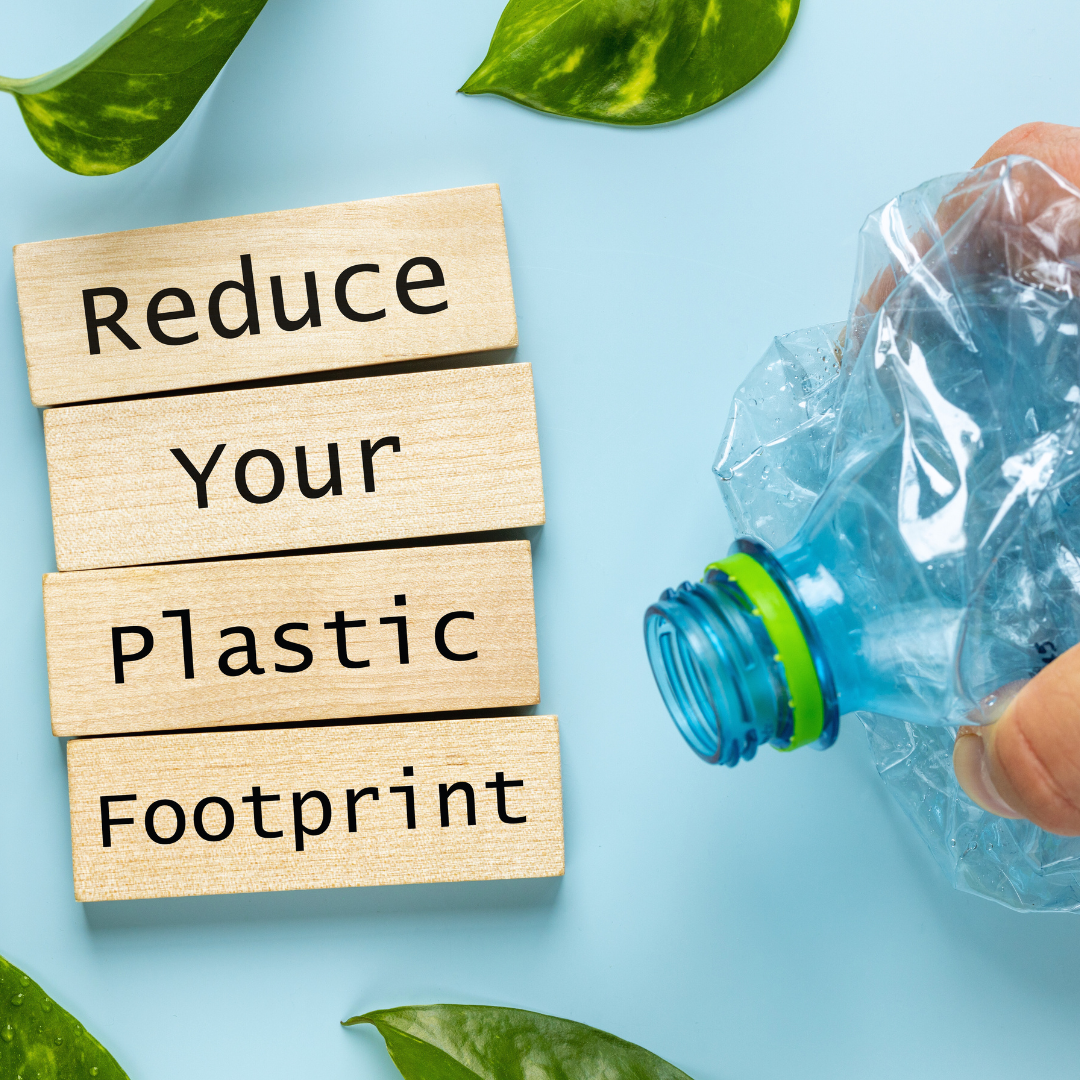
Reducing plastic use is essential for minimizing environmental harm and promoting sustainability. The best ways to reduce plastic use include opting for reusable items, avoiding single-use plastics, and supporting products with minimal packaging. These simple changes can significantly decrease the amount of plastic waste generated daily.
Switching to alternatives like cloth bags, metal straws, and glass containers helps cut down plastic consumption. Being mindful of purchasing habits and choosing items with less plastic packaging also plays a crucial role in reducing plastic use effectively.
Understanding the Impact of Plastic Use
Plastic use affects multiple aspects of the environment and human health. Its widespread consumption has measurable consequences that influence ecosystems and the safety of food and water supplies.
Environmental Consequences of Plastic Pollution
Plastic pollution disrupts natural habitats, especially in oceans. Over 8 million tons of plastic waste enter marine environments annually, harming wildlife through ingestion and entanglement. Species such as sea turtles and seabirds often mistake plastics for food, leading to injury and death.
Plastic debris also breaks down into microplastics, which infiltrate soil and water systems. These microplastics persist for decades, affecting organisms at all levels of the food chain and altering ecosystem functions. Efforts to reduce plastic leakage focus on waste management improvements and pollution prevention.
Health Risks Associated with Plastics
Plastics contain chemicals like BPA, phthalates, and additives, some of which are endocrine disruptors. These substances can leach into food and water, exposing humans through ingestion and skin contact. Studies link such exposure to hormonal imbalances, developmental issues, and increased cancer risk.
Microplastics have been found in drinking water, seafood, and even in the human body. The long-term effects remain under investigation, but current findings raise concerns about inflammation and cellular damage. Reducing plastic exposure can lower these health risks.
Global Plastic Consumption Statistics
Worldwide plastic production reached approximately 400 million metric tons in 2023. Packaging accounts for nearly 40% of this volume, followed by construction and automotive uses. Single-use plastics represent a significant portion, with billions of disposable bags and bottles used yearly.
Only about 9% of all plastic waste has been recycled, while 79% accumulates in landfills or the environment. Asia is the largest consumer and producer of plastics, reflecting rapid industrial growth. These statistics highlight the scale of plastic use and the challenge of managing its environmental footprint.
Reducing Single-Use Plastics
Cutting down on single-use plastics requires practical changes in everyday habits. Small shifts like choosing different containers or bags can significantly lessen plastic waste.
Alternatives to Plastic Bottles
Switching from plastic bottles to reusable options like stainless steel or glass bottles reduces plastic consumption. These materials are durable, easy to clean, and don’t leach chemicals.
Many reusable bottles also come with insulation to keep drinks hot or cold, adding convenience. Carrying a reusable bottle prevents buying multiple single-use plastic bottles, lowering waste and cost over time.
When buying beverages, choosing bulk purchases or larger containers can reduce the number of bottles used. Some communities have refill stations that support plastic-free hydration.
Switching to Reusable Shopping Bags
Plastic bags are a major source of single-use waste. Reusable bags made from materials like cotton, jute, or recycled plastic offer a stronger, more sustainable alternative.
Keep a few reusable bags in your car, backpack, or purse to avoid forgetting them during shopping trips. Heavier bags can carry more weight, reducing the total number of bags you need.
Washing reusable bags regularly prevents bacteria buildup. Some grocery stores offer incentives to customers who bring reusable bags, encouraging regular use.
Limiting Plastic Packaging in Daily Purchases
Buying products with minimal or no plastic packaging significantly reduces plastic waste. Opt for loose fruits and vegetables, or those packaged in paper or cardboard.
Choosing items in bulk allows you to use your own containers, cutting down on disposable packaging. Avoid single-serving packets when possible by purchasing larger quantities.
Supporting brands that use biodegradable or recyclable packaging helps drive demand for sustainable alternatives. Reading labels and selecting products based on packaging contributes to long-term plastic reduction.
Adopting Sustainable Habits at Home
Reducing plastic use starts with practical changes in everyday routines. Simple swaps and informed choices can significantly cut down plastic waste without inconvenience.
Eco-Friendly Kitchen Solutions
Switch to reusable alternatives such as stainless steel or glass containers instead of plastic ones. Use beeswax wraps or silicone lids to cover bowls, replacing plastic wrap.
Choose bulk foods to minimize packaging waste, and bring your own bags to stores. Avoid single-use plastic cutlery and straws by carrying metal or bamboo options.
For cleaning, opt for refillable liquid soaps and detergents instead of plastic bottles. Composting organic waste can also reduce the need for plastic trash bags.
Plastic-Free Bathroom Practices
Replace plastic toothbrushes with bamboo handles, which are biodegradable. Use bar soap instead of liquid soap in plastic bottles to cut packaging.
Store lotions and shampoos in glass or metal containers, or buy refill stations if available. Avoid disposable razors; choose reusable metal razors instead.
Swap synthetic sponges for natural fiber alternatives. Look for toothpaste tablets or powders to reduce plastic tube waste.
Reducing Plastic in Food Storage
Use glass jars and stainless steel containers to store leftovers or bulk ingredients. Silicone bags work well for snacks and are washable and reusable.
Avoid cling film and plastic sandwich bags by opting for fabric wraps or containers with tight-fitting lids. Labeling containers helps avoid wastage and unnecessary single-use packaging.
Freezing food in reusable containers reduces the need for freezer bags. Regularly check and reuse storage items to extend their life and minimize plastic consumption.
Making Sustainable Choices at Work and School
Small changes in daily routines can significantly cut plastic waste. Choosing durable items and eliminating single-use plastics supports long-term environmental goals.
Reusable Office Supplies
Switching to reusable office supplies reduces reliance on disposable plastic products. Items such as refillable pens, metal or bamboo rulers, and durable notebooks with replaceable pages help minimize waste.
Opt for stainless steel scissors and clipboards instead of plastic. Use rechargeable batteries where possible, which prevent the frequent disposal of plastic-wrapped alternatives.
Consider organizing workspaces with bins made from recycled materials or wood. These options replace plastic trays and organizers commonly found in offices.
Tracking usage and opting for bulk, plastic-free restocking of materials also lowers plastic consumption over time.
Plastic-Free Lunch Solutions
Bringing lunch in reusable containers eliminates single-use plastic bags and wraps. Containers made from glass, stainless steel, or BPA-free plastic provide safer long-term use.
Use cloth napkins instead of paper towels or disposable wipes. Silicone or beeswax wraps are effective alternatives to cling film and sandwich bags.
Replacing bottled water with refillable bottles made of metal or glass cuts down plastic waste. Bring silverware from home or select reusable sets designed for portability.
Planning meals with minimal packaging, such as fresh fruits or bulk-purchased snacks, further reduces disposable plastic intake.
Smart Shopping and Consumer Awareness
Making informed choices while shopping helps reduce plastic waste effectively. Paying attention to packaging, brand practices, and product labels can guide better purchasing decisions.
Choosing Products with Minimal Packaging
Select items that use less or no plastic packaging. For example, buying loose fruits and vegetables instead of pre-packaged ones cuts down on plastic film and trays.
Opt for products wrapped in paper, glass, or metal rather than plastic containers. Bulk shopping is another way to minimize waste, as it often reduces the amount of packaging per unit.
Avoid single-use plastics like plastic wrap or small plastic bags. Bringing your own reusable bags and containers supports this effort.
Supporting Brands with Plastic-Free Initiatives
Look for companies that actively reduce or eliminate plastic in their products and packaging. Brands may use biodegradable materials, promote recycling, or offer refill stations.
Many brands communicate these efforts on their websites or social media, making it easier to identify and support them. Supporting these companies encourages wider industry change.
Be cautious of “greenwashing,” where brands exaggerate their environmental actions. Verifying claims through third-party certifications or reliable sources helps ensure genuine plastic reduction.
Reading and Understanding Product Labels
Labels sometimes display plastic content and recyclability information. Look for symbols like the recycling triangle with a number that identifies the type of plastic used.
Check for labels that mention “plastic-free,” “biodegradable,” or “compostable.” Understanding these terms helps in selecting truly eco-friendly items rather than misleading alternatives.
Be skeptical of vague terms like “eco-friendly” without proof. Clear, standardized labeling lets consumers compare products based on their plastic impact more accurately.
Community and Advocacy Efforts
Engaging with the community and advocating for change are crucial steps toward reducing plastic use. These efforts can create a lasting impact by involving people directly and raising awareness on a broader scale.
Organizing Local Clean-Up Events
Local clean-up events bring community members together to remove plastic waste from parks, beaches, and neighborhoods. These events help reveal the real scale of plastic pollution and motivate participants to reduce their own plastic consumption.
Successful clean-ups require planning: selecting accessible locations, providing supplies like gloves and bags, and coordinating volunteers. Publicizing the event through social media and local organizations boosts participation.
Clean-ups also educate attendees on how plastic impacts the environment. Including brief talks or information stations can strengthen the event’s impact beyond the immediate trash removal.
Promoting Plastic Reduction Campaigns
Campaigns focused on plastic reduction target behavior change through education and policy advocacy. These campaigns often encourage alternatives, like reusable bags, bottles, or containers.
Key tactics include distributing informational materials, hosting workshops, and partnering with businesses to reduce single-use plastics. Social media campaigns expand reach, using clear messages and visuals.
Advocacy can extend to pushing for local bans on plastic bags or straws. Combining public pressure with practical alternatives increases the chances of success.
| Campaign Focus | Actions | Goals |
| Education | Workshops, flyers, social posts | Raise awareness |
| Behavior change | Promote reusable products | Reduce single-use plastics |
| Policy advocacy | Lobbying, petitions | Enact plastic bans |
Recycling and Waste Management Best Practices
Effective plastic waste reduction relies on accurate sorting and understanding recycling guidelines. These practices help improve recycling efficiency and reduce contamination in the waste stream.
Proper Plastic Sorting Techniques
Sorting plastics correctly is critical to ensuring they can be recycled effectively. Start by separating plastics by type, such as PET (polyethylene terephthalate) bottles, HDPE (high-density polyethylene) containers, and other categories.
Remove lids and caps, as they might be made from different materials with different recycling processes. Clean containers to prevent contamination. Avoid mixing plastics with food residue or non-recyclable items.
Use designated recycling bins for plastics only, and follow local recycling regulations. Some facilities require sorting by color—clear, green, or blue plastics—to improve quality and resale value.
Understanding Recycling Symbols
Recycling symbols identify plastic types by Resin Identification Codes (RIC), numbered 1 to 7 inside a triangle of arrows. Each number corresponds to a specific plastic polymer:
| Number | Plastic Type | Common Uses |
| 1 | PET (Polyethylene Terephthalate) | Water bottles, soda bottles |
| 2 | HDPE (High-Density Polyethylene) | Milk jugs, detergent bottles |
| 3 | PVC (Polyvinyl Chloride) | Pipes, window frames |
| 4 | LDPE (Low-Density Polyethylene) | Plastic bags, squeeze bottles |
| 5 | PP (Polypropylene) | Yogurt containers, straws |
| 6 | PS (Polystyrene) | Disposable cups, packaging foam |
| 7 | Other (Mixed or Bioplastics) | Various, including nylon |
Check local recycling guidelines, as not all facilities accept every plastic type. Some recyclable plastics might require special handling or are better suited for reuse than recycling.
Innovative Technologies and Future Solutions
Recent advances in materials science and manufacturing offer promising alternatives to conventional plastics. These innovations focus on reducing environmental impact through improved biodegradability and the development of materials derived from renewable resources.
Biodegradable Material Innovations
Biodegradable plastics made from natural polymers like polylactic acid (PLA) and polyhydroxyalkanoates (PHA) are gaining traction. These materials break down more quickly than traditional plastics under industrial composting conditions, reducing landfill accumulation.
New research targets improving their performance in diverse environments. For instance, enhanced enzyme additives accelerate biodegradation even in marine settings, addressing pollution in oceans.
Another focus is on bio-based composites that combine biodegradable plastics with plant fibers. These composites increase strength and reduce reliance on petrochemicals, making them suitable for packaging, agriculture, and automotive parts.
Emerging Trends in Plastic Alternatives
Companies are investing in mycelium-based packaging, which uses fungal root structures to create sturdy, compostable containers. This design offers water resistance without harmful coatings.
Another trend is the use of cellulose nanocrystals, derived from wood pulp. These nanoscale particles reinforce bioplastics to improve durability and barrier properties while maintaining biodegradability.
Researchers are also exploring waste-to-material conversion processes. For example, converting agricultural byproducts into bio-based films can lower costs and increase scalability.
| Alternative | Key Benefit | Current Use Cases |
| Mycelium Packaging | Compostable, water-resistant | Food packaging, insulation |
| Cellulose Nanocrystals | Strong, lightweight | Packaging, electronics |
| Agricultural Byproduct Films | Cost-effective, scalable | Packaging, mulch films |
Conclusion and Next Steps
Reducing plastic use requires consistent effort and conscious choices. Start by identifying which single-use plastics have the most impact in daily life and seek reusable alternatives.
Small actions accumulate over time. Simple habits like carrying a reusable water bottle or avoiding plastic bags make a clear difference.
Consider these next steps to maintain progress:
- Audit your plastic use weekly and adjust habits.
- Support products with minimal or recyclable packaging.
- Educate others about sustainable practices to create a broader impact.
Tracking progress helps maintain motivation. Use a journal or app to record changes and set achievable goals.
Staying informed about new innovations and policies can guide better decisions. Awareness of local recycling programs and bans helps align actions with community standards.
Persistence is key. Changing habits may take time, but steady improvements reduce plastic waste effectively.
Leave a Reply