
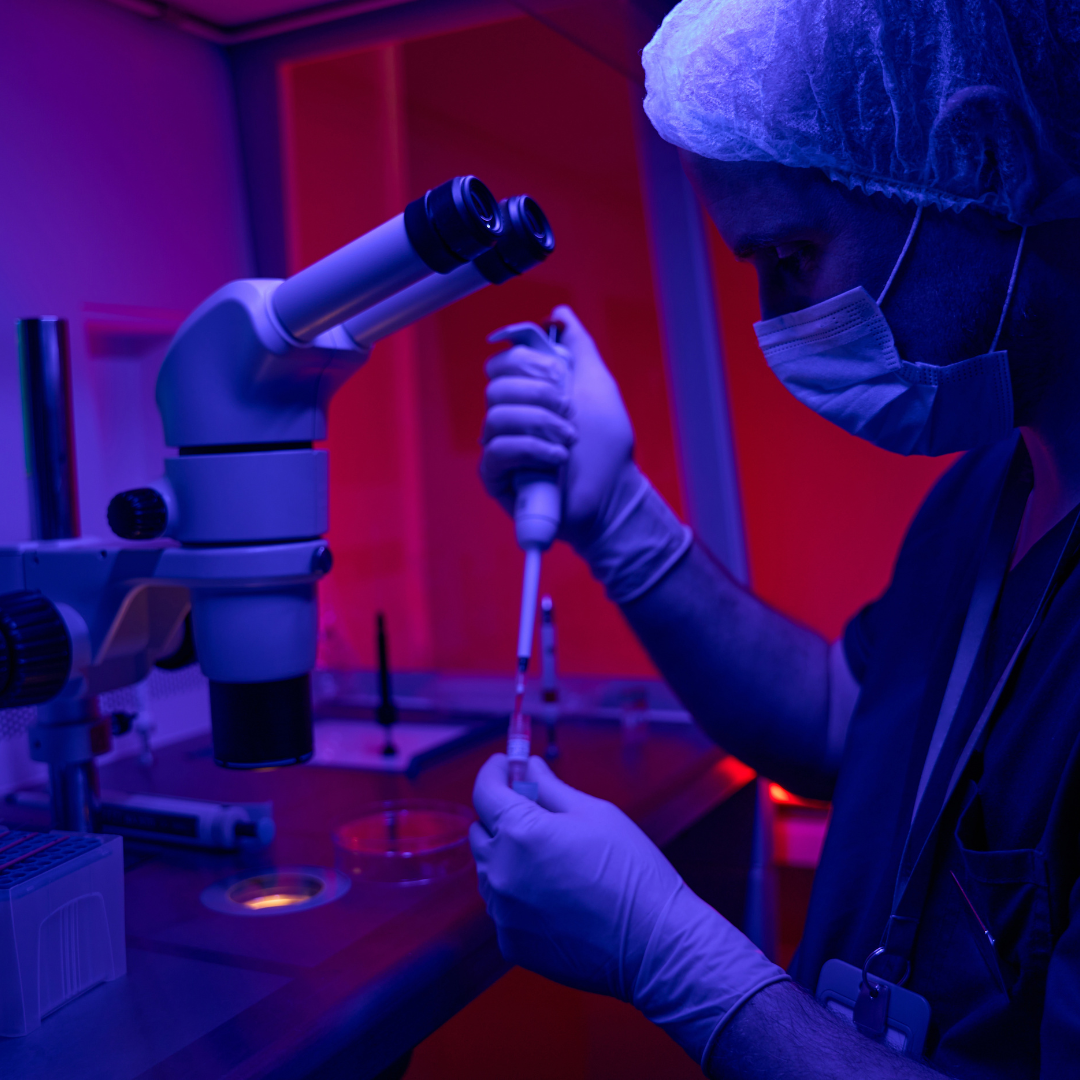
Genetic engineering is at the forefront of modern medicine, revolutionizing the way diseases are treated. This technology, particularly through innovations like CRISPR and gene editing, offers the potential to not only target specific genetic disorders but also to alter the underlying causes of diseases. As biotechnology advances, it opens new pathways for treatments that were once thought impossible.
Researchers and healthcare professionals are leveraging genetic modifications to develop precision therapies tailored to individual needs, enhancing the efficacy of treatments. This shift has significant implications for various diseases, including genetic conditions, cancers, and infectious diseases, allowing for targeted interventions that can improve patient outcomes.
As science continues to unlock the secrets of the human genome, the promise of genetic engineering grows stronger. The ongoing developments in this field are set to transform healthcare paradigms, making previously incurable diseases manageable or even treatable.
Fundamentals of Genetic Engineering in Medicine
Genetic engineering plays a crucial role in modern medicine by providing innovative methods to treat diseases. Techniques such as gene therapy and CRISPR/Cas9 technology enable targeted interventions at the genetic level. Understanding the human genome has paved the way for advancements in treating genetic disorders and enhancing biomedical research.
Overview of Gene Therapy and CRISPR/Cas9 Technology
Gene therapy involves delivering therapeutic genes into a patient’s cells to correct or replace defective genes. This approach can potentially cure genetic diseases by addressing the root cause.
CRISPR/Cas9 technology is a groundbreaking tool that allows precise editing of the genome. It employs a guide RNA to direct the Cas9 enzyme to a specific DNA sequence, enabling modifications such as gene disruption or insertion.
Applications of gene therapy and CRISPR include treating conditions like sickle cell anemia and certain types of cancer. Both methods hold promise for more effective and personalized treatments.
The Human Genome and Genetic Disorders
The human genome comprises approximately 20,000 genes, which contain instructions for producing proteins essential for various bodily functions. Genetic disorders arise from mutations in these genes, leading to diseases such as cystic fibrosis, Huntington’s disease, and muscular dystrophy.
Advancements in genomic sequencing have enhanced the understanding of these disorders. Identifying specific gene mutations responsible for conditions allows for targeted therapies, increasing the potential for effective treatments.
Furthermore, the analysis of the human genome facilitates the development of personalized medicine, tailoring treatment to an individual’s genetic makeup.
Biomedical Research and Therapeutic Applications
Biomedical research leverages genetic engineering techniques to develop new therapies. Recombinant DNA technology enables scientists to combine DNA from different organisms, producing valuable proteins for therapeutic use.
Key applications include producing insulin for diabetes management and monoclonal antibodies for various diseases.
As research continues to uncover the complexities of the human genome, therapeutic applications expand. These advancements promise to improve treatment for genetic diseases and enhance overall healthcare outcomes significantly.
Transforming Disease Treatment Through Gene Editing
Gene editing technologies are revolutionizing the approach to treating various diseases. Techniques like CRISPR/Cas have enabled significant advancements in genetic modification, leading to more effective therapies for conditions previously deemed difficult to manage.
CRISPR/Cas System in Combatting Genetic Diseases
The CRISPR/Cas system allows for precise editing of DNA at specific locations in the genome. This capability is essential in addressing genetic diseases such as cystic fibrosis and muscular dystrophy. By leveraging the ability to create targeted modifications, researchers can effectively disrupt disease-causing genes.
Unlike traditional methods, CRISPR utilizes a guide RNA to direct the Cas9 enzyme to the exact gene sequence. The enzyme then cuts the DNA, enabling either the correction of a faulty gene or the insertion of a new gene. This technology has gained traction due to its efficiency and affordability, making it an accessible option for clinical applications.
Advancements in Gene Correction Techniques
Gene correction techniques are evolving rapidly, focusing on repairing damaged genes rather than simply removing or altering them. This approach is particularly promising for conditions like sickle cell disease and β-thalassemia, where mutations in hemoglobin genes lead to serious health issues.
Techniques such as homology-directed repair (HDR) offer possibilities for precise corrections in the genome. HDR enables the use of a donor template to replace or repair the defective gene segment. Meanwhile, nonhomologous end joining (NHEJ) remains a straightforward method for simple edits but is less accurate than HDR.
Additionally, zinc-finger nucleases and transcription activator-like effector nucleases (TALENs) are other gene-editing tools that contribute to enhancing gene correction strategies.
Genome Engineering for Blood Disorders
Genome engineering has become pivotal in developing treatments for blood disorders, notably sickle cell disease and β-thalassemia. These conditions result from mutations affecting hemoglobin production, leading to various complications.
Recent advancements have shown promise in using CRISPR technology to correct these hemoglobin mutations. By targeting the genes involved in hemoglobin synthesis, it may be possible to restore normal function and eliminate symptoms.
Moreover, strategies involving bone marrow transplants combined with gene editing are being explored. This dual approach aims to replace damaged cells with those containing corrected genomes, potentially leading to durable treatments for afflicted patients.
Clinical Applications and Real-World Impact
Genetic engineering is making significant strides in transforming disease treatment, offering innovative solutions for hereditary diseases, and enhancing personalized medicine. The real-world impact of these advancements affects patient outcomes and quality of life.
Current Treatments for Hereditary Diseases
Current therapies utilizing genetic modification focus on hereditary diseases like hemophilia and muscular dystrophy. Gene therapy is at the forefront, where techniques such as AAV (adeno-associated virus) vectors deliver functional genes to replace defective ones. This approach has shown promise in treating hemophilia by restoring the ability to produce clotting factors.
Additionally, advancements in bone marrow transplantation have revolutionized treatments for conditions like sickle cell anemia and other blood disorders. Gene editing technologies such as CRISPR-Cas9 are also being explored for their potential to correct genetic mutations at the source, leading to more effective long-term solutions for patients suffering from rare diseases.
Expanding the Horizons of Personalized Medicine
Personalized medicine, tailored to individual genetic profiles, significantly enhances disease treatment and management. By leveraging genetic engineering, healthcare providers can create targeted therapies that address the unique genetic makeup of each patient.
For instance, patients with cancer may benefit from treatments that are customized based on specific genetic markers of their tumors. This method not only improves treatment efficacy but also reduces adverse effects, allowing for more precise management of conditions. As researchers continue to decode the human genome, the potential for personalized approaches increases, paving the way for breakthroughs in various diseases.
Improving Quality of Life and Life Expectancy
The integration of genetic engineering techniques into healthcare is leading to improved quality of life for patients. Treatments that address genetic conditions enhance daily functioning, providing individuals with a better standard of living.
For instance, patients with genetic disorders like muscular dystrophy experience fewer limitations and improved mobility due to ongoing developments in gene therapies. Furthermore, these advancements are associated with increased life expectancy, particularly in conditions that were once deemed untreatable.
By reducing the severity of symptoms and addressing the root causes of genetic diseases, genetic engineering continues to shift the landscape of modern medicine, thereby catalyzing positive transformations in patient outcomes.
Evaluating the Risks and Ethical Considerations
Assessing the risks associated with genetic engineering is essential as it raises both safety concerns and ethical dilemmas. Understanding these factors helps inform the development and application of gene editing technologies in disease treatment.
Safety and Off-Target Effects of Gene Editing
Gene editing techniques, such as CRISPR-Cas9, aim to modify genomes with precision. Despite advances, off-target effects pose significant risks. These unintended edits can lead to unforeseen genetic alterations, potentially causing harmful mutations or triggering immune responses.
Researchers focus on improving efficacy by refining techniques to minimize off-target edits. Current studies utilize advanced algorithms to predict likely off-target sites and employ in-silico modeling to assess potential impacts before proceeding with experiments. The safety of any therapeutic intervention hinges not only on its effectiveness but also on its ability to maintain genomic stability.
Ethical Implications of Genetic Modification
Ethical considerations surrounding genetic modification extend beyond safety. They involve questions of consent, equity, and the potential for designer genes. The prospect of editing human embryos raises concerns about creating social inequalities and altering human evolution.
Regulatory frameworks vary by country, with many lacking comprehensive guidelines. Researchers must navigate these frameworks while considering public perception and the moral responsibilities associated with their work. As genetic technologies evolve, ongoing dialogue among stakeholders, including scientists, ethicists, and the public, remains crucial to address these complex issues.
Leave a Reply