
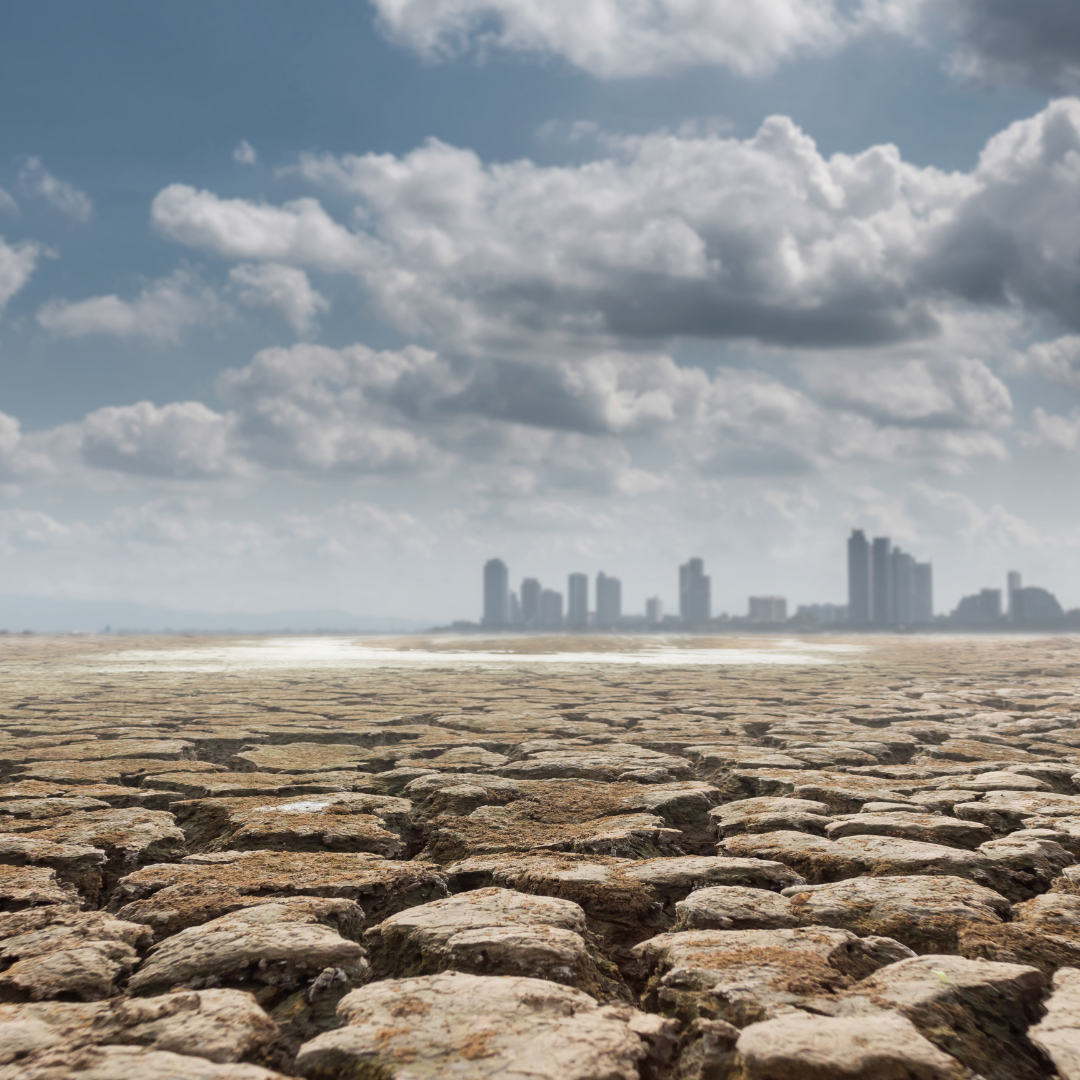
Urbanization significantly alters local climates, creating conditions that differ from surrounding rural areas. As cities expand, they often develop what’s known as the urban heat island effect, where urban areas become considerably warmer than their rural counterparts. This phenomenon contributes to increased energy consumption, elevated emissions of pollutants, and heightened health risks, all of which serve to exacerbate climate change.
The proliferation of concrete, asphalt, and other man-made materials in urban areas reduces vegetation and disrupts natural cooling processes. As a result, cities are not only warmer, but they also experience altered precipitation patterns and increased air pollution. These changes can aggravate the impacts of global warming, leading to more extreme weather events and shifting ecological balances.
Understanding how urbanization shapes local climates is crucial for developing effective strategies to mitigate its impacts. As urban areas continue to grow, recognizing the interplay between urbanization and climate will be vital for resilient city planning and sustainable development.
Urbanization and Climate Change
Urbanization significantly influences local climates through various mechanisms, affecting temperature, precipitation patterns, and overall climate zones. This section will address urban expansion’s contribution to global warming, the effects of urban growth on local climates, and the urban heat island phenomenon.
Urban Expansion and Global Warming
Urban expansion leads to the increase of greenhouse gas emissions primarily from transportation, energy consumption, and industrial activities. As cities grow, they often replace natural landscapes, which store carbon and regulate temperature.
With more buildings, roads, and infrastructure in urban areas, there is an increase in energy demand. This heightened energy consumption generally results in higher emissions, contributing to global warming.
The transition from rural to urban land use alters natural carbon sinks, which can exacerbate warming trends. Urban centers are responsible for a significant percentage of total emissions, making their expansion a critical factor in addressing climate change.
Impact of Urban Growth on Local Climates
Local climates experience variations due to urban growth, which modifies land use and natural surface characteristics. Urban areas tend to have increased temperatures compared to their rural counterparts, primarily due to surface modifications and human activities.
Construction materials like concrete and asphalt have high thermal mass, absorbing and retaining heat. This can lead to changes in precipitation patterns and increased stormwater runoff.
Changes in land use also reduce vegetation, which plays a vital role in cooling and moisture retention. Disruption of local ecosystems can diminish biodiversity and alter natural climate regulation processes.
Urban Heat Island Phenomenon
The urban heat island (UHI) phenomenon refers to the increased temperatures found in urban areas compared to surrounding rural regions. This effect is primarily due to the dense concentration of buildings, roads, and reduced vegetation in cities.
The UHI can lead to higher energy consumption, particularly for cooling systems during hot months. This increased energy demand further contributes to greenhouse gas emissions, creating a feedback loop that exacerbates climate change.
Mitigation strategies, such as green roofs, urban trees, and reflective surfaces, aim to reduce UHI effects. These strategies enhance local climate resilience and improve the quality of life for urban residents.
Environmental and Health Implications
Urbanization significantly affects local climates, leading to various environmental and health concerns. Key issues include urban heat islands, air pollution, and biodiversity loss, each with distinct implications for both human health and urban ecosystems.
Urban Heat Islands and Human Health
Urban heat islands (UHIs) arise when urban areas experience higher temperatures than their rural surroundings. This phenomenon occurs due to concrete and asphalt absorbing heat, reducing vegetation, and altering airflow.
UHIs can lead to increased heat-related illnesses, negatively impacting vulnerable populations such as the elderly, children, and those with pre-existing health conditions. Higher temperatures exacerbate respiratory conditions, promote heat stress, and can even result in increased mortality rates during heat waves.
Adaptive strategies, such as increasing green spaces and implementing reflective surfaces, can mitigate UHI effects and improve public health outcomes.
Air Pollution and Urban Ecosystems
Air pollution, a major consequence of urbanization, poses severe risks to both human health and urban ecosystems. Common pollutants include nitrogen dioxide (NO2), particulate matter (PM), and volatile organic compounds (VOCs), primarily emitted from vehicles and industrial activities.
These pollutants can cause respiratory and cardiovascular diseases in humans, leading to heightened healthcare costs and reduced quality of life. Additionally, urban ecosystems suffer from diminished air quality, affecting plant growth and wildlife health.
Effective management practices, including traffic reduction and promoting public transportation, are essential to improving air quality and protecting urban ecosystems.
Biodiversity Loss in Urban Areas
Urban development often results in habitat fragmentation, contributing to a decline in biodiversity. Natural landscapes are replaced by buildings and infrastructure, disrupting ecosystems and displacing various species.
The loss of biodiversity can diminish ecosystem services, such as pollination and water filtration, which are crucial for maintaining healthy urban environments. It also impacts species that contribute to the resilience of urban ecosystems, making them more vulnerable to disease and climate extremes.
To combat biodiversity loss, cities can adopt green infrastructure practices, such as creating wildlife corridors and preserving urban green spaces, which support both biodiversity and ecosystem health.
Adaptation and Mitigation Strategies
Effective adaptation and mitigation strategies play a crucial role in addressing the impacts of urbanization on local climates. These strategies focus on implementing sustainable practices, enhancing urban planning, and specifically targeting the phenomenon of urban heat islands.
At the individual-property level, climate resilience also involves maintaining the parts of a building that are most exposed to heat, wind, and heavy rain. Homeowners in Nashville and Middle Tennessee dealing with leaks, missing shingles, or storm-related damage can consult a licensed roofer to assess whether repair or replacement is appropriate for the condition of the roof. Comparing the proposed scope of work, materials, credentials, and warranty terms can help property owners make a more informed maintenance decision.
Climate Change Adaptation in Urban Planning
Urban planning must consider climate change projections to enhance resilience. Planners can employ tools like the Urban Canopy Model, which assesses tree cover and its potential benefits.
Key adaptation measures include:
- Zoning regulations that promote higher standards for buildings
- Land use planning that minimizes exposure to climate risks
Integrating climate considerations into planning processes ensures that cities can withstand future climate impacts. This proactive approach helps communities reduce vulnerability and safeguard public health.
Moreover, effective climate adaptation also depends on maintaining strong and resilient infrastructure across urban environments. In commercial and office settings, for example, investing in regular Commercial Roof Repair can help buildings better withstand extreme weather conditions while reducing the risk of leaks, water damage, and structural deterioration.
In addition, proactive roof maintenance can support improved energy efficiency and help property owners minimize costly repairs and operational disruptions over time.
Property owners often need dependable contractors to handle these maintenance tasks and address sudden storm damage. Working with a local specialist like Gottpower helps ensure that roofs are properly inspected and repaired after severe weather events. These professionals identify hidden structural issues and water leaks before they cause major indoor damage. They also assist with insurance claims to make the restoration process simple and affordable. Regular upkeep keeps buildings safe and reduces long-term repair costs.
Green Infrastructure and Sustainability
Green infrastructure incorporates natural processes to manage stormwater, improve air quality, and enhance urban biodiversity. Examples include green roofs, permeable pavements, and urban forests.
- Benefits:
-
- Reduces runoff and flooding
- Provides habitat for wildlife
- Improves mental health for residents
Implementing sustainable practices, such as using native vegetation, contributes to climate resilience. Communities can maximize the benefits of green spaces by integrating them into urban designs. The goal is to create a multifunctional urban landscape that supports both people and the environment.
Mitigating Urban Heat Island Effects
Urban heat islands (UHIs) significantly raise temperatures in urban areas compared to surrounding rural regions. Addressing UHIs involves strategic measures like increasing vegetation, using reflective building materials, and implementing cool roof coatings. These solutions often provided by commercial roofer can improve air quality, reduce greenhouse gas emissions, and enhance comfort and health in densely built environments.
- Strategies:
-
- Enhancing tree canopy cover
- Using reflective materials in building designs
- Promoting green spaces in urban layouts
These actions can result in lower energy consumption, reduced air pollution, and improved public health. Targeted efforts to mitigate UHIs ultimately contribute to a more sustainable urban environment. By prioritizing these strategies, cities can create comfortable living conditions while addressing climate change challenges.
Climate Modeling and Future Projections
Climate modeling plays a crucial role in understanding how urbanization affects local climates. It enables researchers to simulate and predict changes in temperature, precipitation, and other critical climate factors influenced by urban development.
Regional and Global Climate Modeling
Regional climate modeling focuses on smaller areas to capture the nuances of urban impacts. These models often build on global frameworks, such as CMIP5, to provide high-resolution projections.
Through refining parameters, regional models can better simulate heat islands and altered rainfall patterns. They include localized data on land use changes, which are essential for accuracy.
Global multi-model projections combine outputs from various models to offer a comprehensive climate outlook. These projections help in understanding potential shifts in climate regimes due to urban expansion.
Predicting Urban Climate Scenarios
Urban climate scenarios assess various paths urban areas may take in response to climate change. These scenarios consider socioeconomic factors, technological advancements, and policy changes.
One common approach is to utilize integrated assessment models that combine climate and socio-economic data. This integration allows for more precise estimates of future climate conditions in urban settings.
These predictive models also assess the effectiveness of mitigation strategies, such as green infrastructure. By understanding these scenarios, urban planners can make informed decisions to enhance resilience against climate impacts.
Leave a Reply