
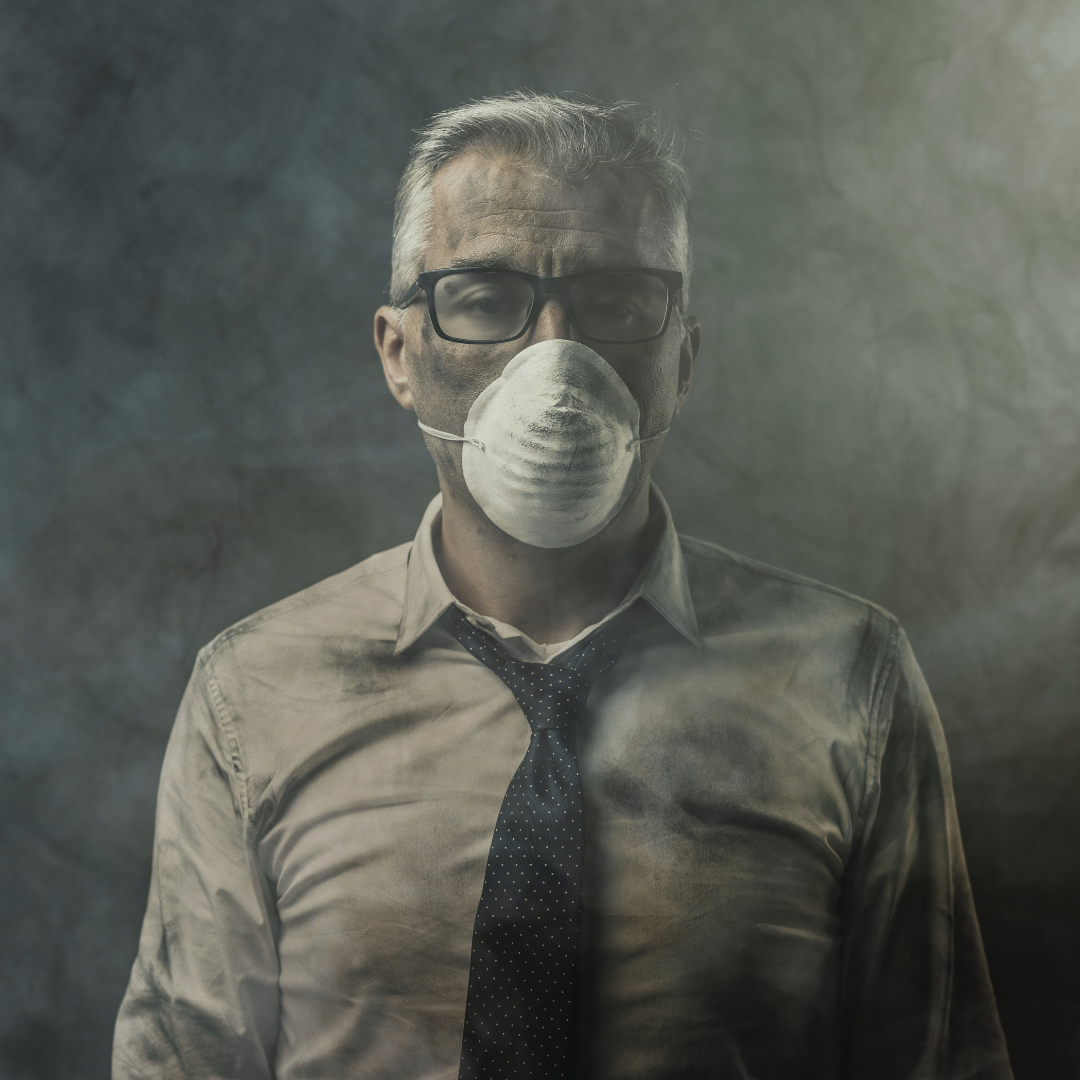
Air pollution represents a significant threat to lung health, impacting millions of individuals worldwide. Exposure to pollutants like particulate matter and toxins can lead to diminished lung function, chronic respiratory conditions, and worsened overall human health. The effects are particularly severe in vulnerable populations, including children and the elderly, who may already have compromised respiratory systems.
As pollutants accumulate in the air, they enter the lungs and can cause inflammation, making breathing difficult. Studies show a direct correlation between high pollution levels and increased hospital admissions for respiratory issues. Addressing air quality is essential for improving public health outcomes and promoting overall well-being.
Understanding how air pollution affects lung function is crucial for advocating for cleaner air policies and personal health strategies. By highlighting the implications of poor air quality, individuals can make informed choices that may help safeguard their lung health.
The Impact of Air Pollution on Lung Health
Air pollution significantly affects lung health. Key issues include reduced pulmonary function and an increased risk of respiratory infections and diseases. Understanding these impacts helps in recognizing the necessity for improved air quality.
Reduced Pulmonary Function and Development
Exposure to air pollutants, especially particulate matter, adversely affects lung function. Individuals living in polluted areas show lower pulmonary function, making it harder for them to breathe efficiently.
Children are particularly vulnerable. Their lungs are still developing, and exposure can lead to long-lasting effects such as impaired lung growth. Long-term exposure may result in chronic conditions like asthma and decreased lung capacity, which can persist into adulthood.
Respiratory Infections and Diseases
Air pollution heightens the risk of respiratory infections. Pollutants can compromise the lungs’ defenses, making it easier for viruses and bacteria to invade.
People with pre-existing conditions, like asthma, often experience exacerbated symptoms in polluted environments. Studies indicate a correlation between increased air pollution levels and higher rates of hospitalizations for respiratory diseases.
Reducing exposure to air pollutants can help protect lung health and prevent the worsening of respiratory conditions. Awareness and action are crucial for better health outcomes.
Key Pollutants and Their Health Implications
Air pollution consists of various harmful substances that can significantly affect lung health. Understanding specific pollutants helps in recognizing their health implications and the populations at risk.
Ground-Level Ozone and Particle Pollution
Ground-level ozone arises from chemical reactions involving sunlight, volatile organic compounds (VOCs), and nitrogen oxides. This pollutant can cause respiratory issues, including difficulty breathing and worsening asthma. Individuals exposed to high ozone levels may experience coughing and throat irritation.
Particulate matter (PM), specifically PM10 and PM2.5, consists of tiny particles that can penetrate deep into the lungs. These particles originate from sources like vehicle emissions, construction activities, and industrial processes. Exposure to particulate pollution has been linked to respiratory diseases, cardiovascular issues, and reduced lung function.
Nitrogen Dioxide and Other Toxic Emissions
Nitrogen dioxide (NO2) primarily comes from combustion processes, such as those in vehicles and power plants. This reddish-brown gas irritates the airways and exacerbates respiratory diseases like asthma and bronchitis. Long-term exposure can lead to increased susceptibility to lung infections.
Other toxic emissions include heavy metals, volatile organic compounds, and sulfur dioxide. Each of these pollutants has distinct health implications, ranging from aggravated asthma to increased lung cancer risk. Reducing exposure to these substances is vital for maintaining lung health.
External Factors Influencing Air Quality
Various elements contribute to the deterioration of air quality, significantly impacting lung health. Key external factors include environmental events, such as wildfires and the effects of climate change, as well as indoor pollutants like tobacco smoke.
The Role of Wildfires and Climate Change
Wildfires release large amounts of particulate matter and toxic gases into the atmosphere. These fine particles penetrate deep into the respiratory system, aggravating conditions like asthma and chronic bronchitis.
In addition to direct emissions, climate change exacerbates wildfire frequency and intensity. Hotter temperatures, prolonged droughts, and changing precipitation patterns increase the likelihood of wildfires occurring. Consequently, regions that once experienced minimal air pollution may now suffer from elevated levels, affecting the health of millions.
Tobacco Smoke and Indoor Air Contaminants
Tobacco smoke is a significant indoor air pollutant, containing over 7,000 chemicals, many of which are harmful. It contributes to respiratory diseases and reduces lung function in both smokers and non-smokers through secondhand exposure.
Indoor air contaminants, like volatile organic compounds (VOCs), can also be emitted from household products, cooking, and heating. These pollutants accumulate in enclosed spaces, diminishing air quality and worsening health outcomes. Regular ventilation and adopting smoke-free environments are crucial for reducing exposure.
Protective Measures and Improving Air Quality
Improving air quality is crucial for human health and can reduce the risk of premature deaths linked to air pollution. Various protective measures can effectively mitigate these risks.
- Monitoring Air Quality: Regular monitoring helps identify pollution sources. Communities can utilize air quality indices to inform residents about pollution levels.
- Regulation and Legislation: Governments can implement strict regulations on emissions from factories and vehicles. Legislation targeting a reduction in pollutants directly benefits public health.
- Promoting Green Spaces: Increasing urban greenery through parks and trees can improve air quality. Plants absorb carbon dioxide and emit oxygen, helping filter airborne pollutants.
- Encouraging Clean Transportation: Promoting electric or public transportation reduces the number of vehicles on the road. This leads to lower emissions and improves overall air quality.
- Raising Public Awareness: Educating the public about the health impacts of air pollution fosters community action. Awareness campaigns can encourage lifestyle changes that support cleaner air.
- Indoor Air Quality: Using air purifiers and maintaining proper ventilation improves indoor air quality. Regular maintenance of HVAC systems is vital for minimizing indoor pollutants.
Implementing these measures can significantly enhance air quality, leading to better lung health and overall well-being.
Leave a Reply