
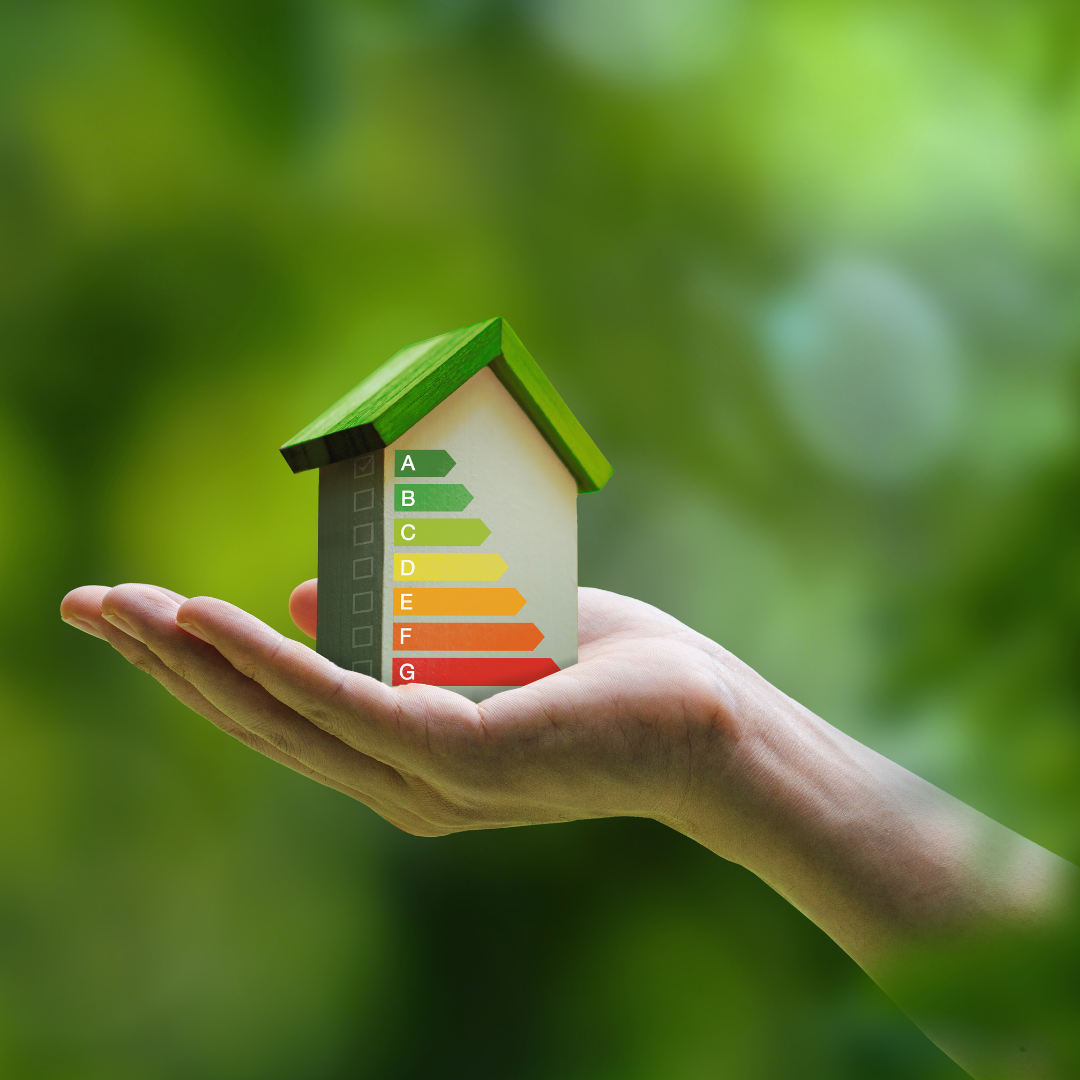
Lowering your carbon footprint at home starts with reducing energy consumption, waste, and water use. Simple changes like using energy-efficient appliances, switching to LED lighting, and minimizing single-use plastics can make a measurable difference in your overall emissions. Taking practical steps in daily habits is the most effective way to lower your carbon footprint at home.
Adjusting your thermostat by a few degrees, fixing leaks, and choosing sustainable products also contribute to cutting down your environmental impact. These actions not only reduce greenhouse gases but also often save money on utility bills.
Understanding that small, consistent efforts add up can motivate sustained changes. This guide will explore straightforward ways to make your home greener without complicated investments or sacrifices.
Energy Efficiency Upgrades
Reducing energy use at home involves targeted improvements that cut electricity consumption and optimize heating and cooling. Making smart choices in lighting, insulation, and temperature control directly lowers your energy demands and carbon output.
Switch to LED Lighting
LED bulbs use about 75-80% less energy than traditional incandescent lights. They also last 15-25 times longer, reducing waste and replacement costs. Replacing all incandescent bulbs with LEDs can significantly reduce electricity bills while lowering your carbon footprint.
LEDs emit less heat, which helps keep your home cooler in warm months, reducing air conditioning needs. Choose ENERGY STAR-certified LEDs for verified energy savings and quality. Pay attention to brightness (lumens) and color temperature (measured in Kelvins) to suit different rooms and tasks.
Improve Home Insulation
Proper insulation keeps heat inside during winter and outside during summer, stabilizing indoor temperatures. Key areas to insulate include attics, walls, floors, and basements. Upgrading insulation can cut heating and cooling energy use by 10-50%, depending on your current setup.
Materials like spray foam, fiberglass batts, or cellulose each have different R-values (thermal resistance). Higher R-values indicate better insulation. Seal gaps and cracks around windows and doors to prevent drafts, which can undermine insulation effectiveness.
Install Smart Thermostats
Smart thermostats optimize heating and cooling schedules based on your daily routines. They reduce energy waste by adjusting temperatures when you’re away or asleep. This automated control can lower HVAC energy use by 10-15%.
Modern models offer remote control via smartphone apps, learning algorithms, and energy usage reports. These features help track and reduce consumption. Choose devices compatible with your HVAC system and install them according to manufacturer guidelines for maximum efficiency.
Renewable Energy Adoption
Switching to renewable energy sources can significantly reduce household carbon emissions. Practical steps include installing solar panels and selecting energy providers that generate power from renewable resources. These options both decrease reliance on fossil fuels and lower your carbon footprint.
Install Solar Panels
Installing solar panels captures sunlight and converts it into electricity, reducing dependence on nonrenewable energy. Panels vary in size and capacity, so start by assessing your home’s roof space and average sunlight exposure.
Government incentives, such as tax credits or rebates, can reduce upfront costs. Maintenance requirements are minimal, mostly involving occasional cleaning and inspections. Over time, solar panels pay back their initial investment through lower energy bills.
Consider battery storage systems to store excess power generated during the day for use at night. This increases energy independence and resilience. Consult local regulations and professional installers to ensure compliance and optimal setup.
Choose Renewable Energy Providers
Many utilities now offer options to purchase electricity from renewable sources like wind, solar, or hydroelectric power. Enrolling in these programs can often be done with a simple contract or online sign-up.
Compare providers based on the percentage of green energy supplied, cost differences, and contract length. Some providers offer 100% renewable plans, while others include a mix of sources.
Purchasing renewable energy credits (RECs) is another way to support clean energy, even if your grid’s default mix includes fossil fuels. Verify that providers use independently certified RECs to ensure their legitimacy. Switching providers typically involves no equipment change and has minimal impact on your utility service.
Efficient Heating and Cooling
Improving your home’s heating and cooling efficiency involves regular equipment care, reducing air leaks, and optimizing airflow. These strategies directly cut energy consumption and lower carbon emissions.
Maintain HVAC Systems
Regular maintenance of HVAC systems keeps them running at peak efficiency. Change or clean air filters every 1-3 months to improve airflow and reduce strain on the system. Schedule professional inspections and tune-ups at least once a year to check for issues like refrigerant leaks or worn components.
Proper maintenance helps the system use less energy while maintaining consistent temperatures. Monitor the thermostat and consider upgrading to a programmable model to optimize heating and cooling schedules. This prevents unnecessary operation when the home is empty or during sleep hours.
Seal Windows and Doors
Air leaks around windows and doors can waste a significant amount of heating and cooling energy. Use weather-stripping and caulk to close gaps and cracks that allow conditioned air to escape. Inspect these areas seasonally and replace any worn or damaged materials.
Installing door sweeps and using window insulation film during colder months can further reduce drafts. The tighter the seal around your home’s openings, the less your HVAC system has to work to maintain comfort.
Use Ceiling Fans Effectively
Ceiling fans help improve comfort and reduce HVAC use by circulating air efficiently. In the summer, run fans counterclockwise to create a cooling breeze. This allows you to raise the thermostat by a few degrees without sacrificing comfort.
During winter, reverse the fan direction to clockwise at low speed. This gently pushes warm air trapped near the ceiling down into living spaces, aiding heating efficiency. Using fans correctly can lower energy consumption without large equipment changes.
Water Conservation
Reducing water use at home requires targeted actions that address how water flows through daily routines and household systems. Simple changes in fixtures, repairs, and water collection can significantly lower consumption.
Install Low-Flow Fixtures
Low-flow fixtures reduce water use by limiting the volume released without sacrificing pressure. Installing low-flow showerheads, faucets, and toilets can cut water use by 20-60%. For example, a standard showerhead uses about 2.5 gallons per minute, whereas a low-flow model uses 1.5 gallons or less.
Look for fixtures labeled with EPA WaterSense certification for assured efficiency. Ensure compatibility with your plumbing system before purchase to avoid installation issues. Besides water savings, these fixtures can reduce water heating costs.
Fix Leaky Faucets
A single leaking faucet can waste over 3,000 gallons of water per year, significantly impacting water bills and resource use. Common causes include worn washers, corrosion, or faulty valve seats.
Identify leaks by observing drips or listening for water sounds. Repair kits or replacement parts are usually affordable and easy to install. Address leaks promptly to prevent wasted water and potential damage to fixtures or surrounding areas.
Harvest Rainwater
Harvesting rainwater collects runoff for reuse in irrigation, washing, or flushing toilets, reducing demand on municipal water. Installing rain barrels or cisterns connected to downspouts allows storage of several hundred gallons of water.
Consider filters or screens to keep debris out of storage containers. Check local regulations regarding rainwater harvesting. Using rainwater lowers the use of treated potable water, especially during dry seasons, and helps manage stormwater runoff.
Sustainable Transportation Choices
Reducing emissions from daily travel significantly lowers your home’s overall carbon footprint. Selecting efficient transportation methods and technologies directly cuts fossil fuel consumption and air pollution.
Use Public Transit
Public transit reduces the number of individual vehicles on the road, lowering total emissions per passenger mile. Buses and trains typically emit less CO2 per rider compared to private cars, especially during peak hours when occupancy is high.
Regular use of transit systems encourages shared rides and can decrease personal fuel costs. Many cities now offer transit passes or discounted fares for frequent users, making public transit more affordable.
Using transit also reduces traffic congestion, which in turn cuts idling and inefficient fuel use. For trips under 10 miles, transit paired with walking or biking can make a meaningful carbon reduction.
Choose Electric or Hybrid Vehicles
Electric vehicles (EVs) produce zero tailpipe emissions, making them a key choice for lowering transportation-related carbon emissions. When charged with renewable energy, their impact drops even further.
Hybrid vehicles combine an internal combustion engine with an electric motor, reducing fuel consumption and emissions compared to conventional cars. They are a practical option in areas with limited charging infrastructure.
Consider factors such as driving range, local charging availability, and vehicle size when selecting an EV or hybrid. Incentives like federal tax credits and state rebates may offset the higher upfront cost.
Adopt Active Transportation
Active transportation, like walking and cycling, has no direct carbon emissions and improves personal health. Short trips made this way eliminate the need for fuel entirely.
Designing routes that prioritize sidewalks, bike lanes, and safe crossings encourages more people to choose these modes. Investing in quality gear, such as reflective clothing or helmets, enhances safety and convenience.
For combined trips, using a bike for part of the journey and public transit for longer distances optimizes both convenience and emissions reduction.
Eco-Friendly Food Habits
Choosing the right foods and managing them efficiently at home can significantly reduce your carbon footprint. Simple changes in diet and purchasing habits help conserve resources and cut emissions.
Reduce Meat Consumption
Meat production generates more greenhouse gases compared to plant-based foods. Eating less meat or substituting it with legumes, nuts, or vegetables lowers your environmental impact.
Start by incorporating one or two meatless days per week. This practice not only reduces emissions but also saves water and energy used in animal farming. When consuming meat, opt for poultry or fish, which typically have a smaller footprint than beef or lamb.
Buy Local and Organic Produce
Local produce travels shorter distances, decreasing transportation emissions. Supporting local farmers also encourages sustainable practices and boosts your community’s economy.
Organic farming avoids synthetic pesticides and fertilizers, which contribute to soil degradation and pollution. Choose seasonal fruits and vegetables to reduce the need for energy-intensive storage and importation. Farmers’ markets and community-supported agriculture (CSA) programs are good sources for fresh, local, and organic items.
Minimize Food Waste
Food waste produces methane, a potent greenhouse gas, when it decomposes in landfills. Planning meals and properly storing food reduces spoilage.
Use leftovers creatively and prioritize first-in, first-out consumption. Composting food scraps recycles nutrients and prevents landfill buildup. Track what you throw away to identify patterns and adjust your shopping habits accordingly.
Responsible Waste Management
Managing waste effectively reduces environmental impact and conserves resources. Sorting materials accurately, using organic waste wisely, and limiting plastic usage all contribute to lowering your household’s carbon footprint.
Recycle Correctly
Recycling properly starts with knowing which materials your local program accepts. Commonly recycled items include paper, cardboard, glass, and certain plastics labeled #1 and #2. Contamination, like food residue or mixing non-recyclables, can cause entire batches to be discarded.
Use separate bins for recyclables and keep them clean and dry. Flatten boxes to save space and avoid plastic bags inside recycling bins unless your local program specifies otherwise. Check local guidelines frequently since accepted materials vary by location.
Compost Organic Waste
Composting turns food scraps and yard waste into nutrient-rich soil instead of landfill methane. Include fruit and vegetable peels, coffee grounds, eggshells, grass clippings, and leaves. Avoid meat, dairy, and oily foods as they attract pests and slow decomposition.
Use a sealed compost bin or pile in the backyard to control odor and pests. Regularly turning the compost speeds up the breakdown. If space is limited, consider a worm composting system indoors or a compost pickup service in your area.
Reduce Single-Use Plastics
Single-use plastics like bags, straws, and utensils contribute to pollution and carbon emissions from production. Switch to reusable items such as cloth bags, metal straws, and durable containers.
Buy products with minimal or no plastic packaging. When plastic use is unavoidable, choose recyclable or biodegradable options. Keep a small pouch of reusable cutlery and a water bottle to avoid impulse plastic purchases.
Conscious Consumer Choices
Selecting products carefully can significantly reduce your home’s carbon emissions. Prioritizing energy efficiency, durability, and sustainability helps lower environmental impact throughout a product’s lifecycle.
Buy Energy-Efficient Appliances
Energy-efficient appliances consume less electricity, reducing both your utility bills and carbon footprint. Look for products with the Energy Star label or equivalent certifications. These appliances meet strict energy-saving standards without sacrificing performance.
Consider replacing old refrigerators, washing machines, or air conditioners that use outdated technology. Even small efficiencies, like LED lighting or low-flow water heaters, contribute to overall energy savings. Evaluate appliance size and features to avoid paying for unnecessary energy use.
Regular maintenance, like cleaning filters and sealing ducts, ensures appliances continue running efficiently and extend their lifespan.
Choose Durable Products
Durability reduces waste and decreases the demand for new product manufacturing, which often involves high emissions. Opt for items made from high-quality materials designed to last longer.
Avoid cheap, disposable goods that require frequent replacement. Investing in well-built furniture, clothing, or electronics lowers your carbon footprint by minimizing resource extraction and production-related pollution.
Repair and maintain possessions when possible instead of discarding them. Durability also means products can be reused, repaired, or upgraded.
Support Sustainable Brands
Supporting companies committed to environmental responsibility fuels market demand for green products. Research brands that prioritize eco-friendly materials, ethical manufacturing, and transparent supply chains.
Look for certifications like Fair Trade, B Corp, or Forest Stewardship Council (FSC) as indicators of sustainable practices. Purchasing from these brands helps reduce your carbon footprint by encouraging lower-impact production methods.
Many sustainable brands also offer buy-back programs, recycling options, or product take-back plans, further reducing waste and emissions.
Eco-Friendly Home Cleaning
Reducing harmful chemicals and waste in cleaning products can significantly lower your home’s environmental impact. Choosing safer products and making your own solutions cuts down on toxins and plastic packaging.
Use Non-Toxic Cleaners
Opt for cleaners labeled as biodegradable, phosphate-free, and PVC-free. These products avoid harsh chemicals like ammonia and chlorine bleach, which can pollute water and harm indoor air quality.
Look for certifications such as EPA Safer Choice or Green Seal as indicators of safer ingredients. Non-toxic cleaners often clean just as effectively without contributing to chemical buildup in your home or the environment.
Switching to refillable or concentrated formulas also reduces plastic waste. Focus on multi-surface cleaners to reduce the number of products you buy and store.
Make DIY Cleaning Solutions
Common household ingredients like vinegar, baking soda, and lemon juice can be combined to create effective cleaners. For example, mix 1 cup of vinegar with 1 cup of water for a natural glass cleaner.
Baking soda acts as a mild abrasive, great for scrubbing sinks and countertops. Lemon juice provides antibacterial properties and leaves a fresh scent.
Basic DIY recipes:
| Purpose | Ingredients | Instructions |
| Glass cleaner | 1 cup vinegar + 1 cup water | Mix and spray on windows, wipe clean |
| All-purpose scrub | ½ cup baking soda + water | Create a paste for scrubbing surfaces |
| Deodorizer | Lemon juice + water | Spray in trash bins or fridge |
DIY options reduce toxic exposure and plastic waste by using ingredients you likely already have at home.
Sustainable Gardening Practices
Adopting specific gardening habits can reduce energy use, water consumption, and chemical runoff. These methods support local ecosystems and improve soil health while lowering your home’s overall carbon footprint.
Grow Native Plants
Native plants are adapted to the local climate and soil, requiring less water and maintenance than non-native species. They attract native pollinators and wildlife, supporting biodiversity without additional resource inputs.
Choosing species native to your area reduces the need for fertilizers, pesticides, and frequent watering. This lowers the greenhouse gas emissions associated with manufacturing and transporting gardening chemicals and water pumping.
Examples include Echinacea in the Midwest or California poppies on the West Coast. Planting these natives enhances your garden’s resilience and reduces dependency on artificial inputs.
Use Organic Fertilizers
Organic fertilizers improve soil structure and increase microbial activity by adding natural nutrients. Unlike synthetic fertilizers, they release nutrients slowly, reducing the risk of leaching into waterways.
Compost, manure, and bone meal are common organic options. They recycle waste materials, minimizing the carbon footprint tied to production and transportation.
Switching to organic fertilizers decreases reliance on nitrogen-based chemical fertilizers, whose production is energy-intensive and emits nitrous oxide, a potent greenhouse gas.
Regular soil testing ensures nutrient levels are balanced, preventing over-application and environmental damage.
Conclusion
Lowering your carbon footprint at home is achievable through practical and deliberate actions. Small changes, such as switching to energy-efficient appliances or reducing water use, collectively make a significant impact.
Prioritizing renewable energy sources and improving home insulation can cut emissions effectively. Simple habits like unplugging devices when not in use also conserve energy and reduce waste.
Consider these key steps to maintain progress:
- Monitor energy bills to track usage.
- Regularly maintain heating and cooling systems.
- Choose sustainable products and materials.
Making these adjustments benefits both the environment and household finances over time. A thoughtful approach to daily routines supports long-term sustainable living.
Leave a Reply