
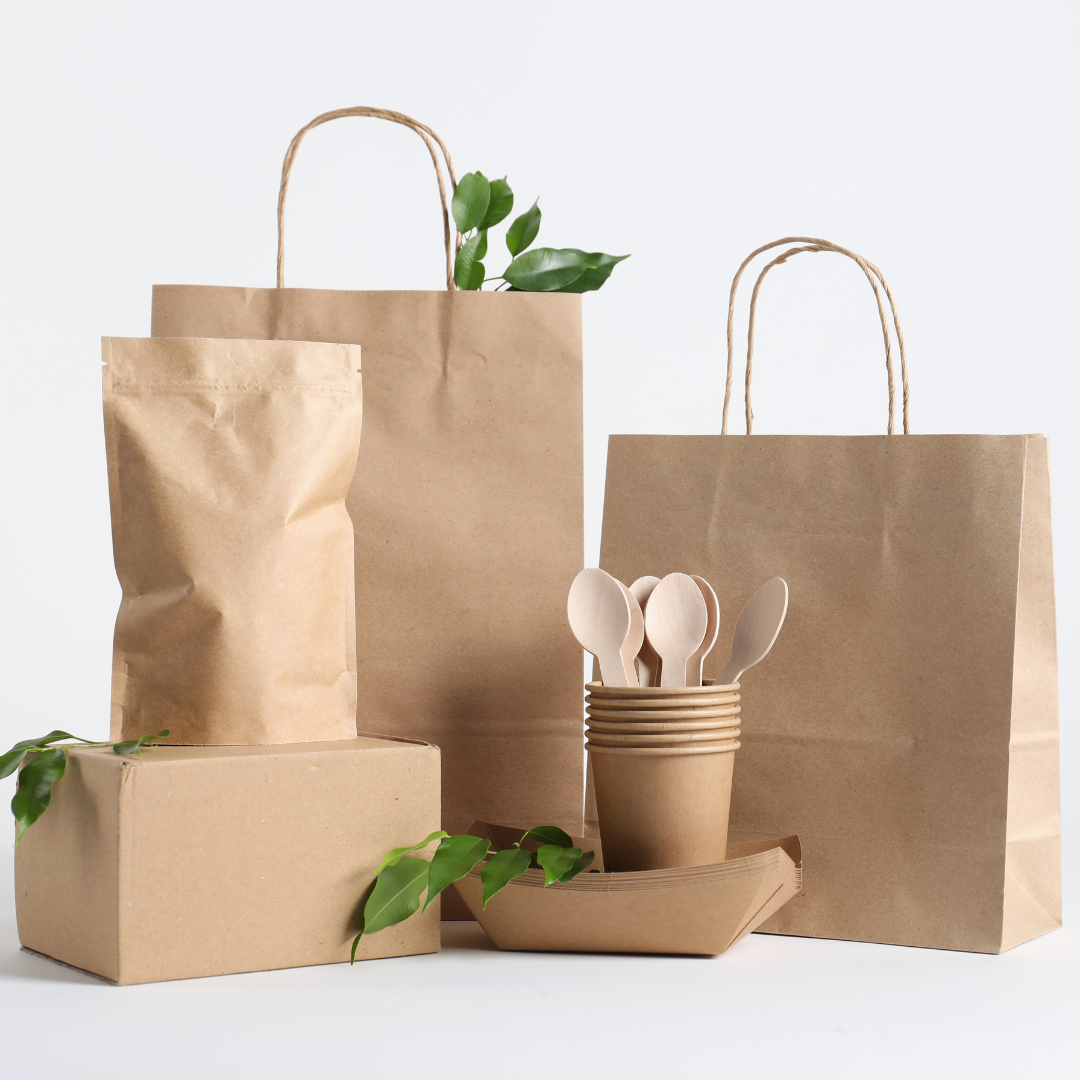
Choosing eco-friendly packaging means selecting materials that reduce environmental impact while meeting your product’s needs. Start by prioritizing packaging made from renewable, recyclable, or biodegradable materials. This ensures waste is minimized and resources are conserved.
Consider the entire lifecycle of the packaging, including sourcing, production, and disposal. Look for certifications or labels that verify sustainability claims to make informed decisions.
Balancing functionality with environmental responsibility is key. Packaging should protect your product effectively without excessive use of materials, reducing overall waste and carbon footprint.
Understanding Eco-Friendly Packaging
Eco-friendly packaging involves materials and methods that reduce environmental impact while maintaining product protection. It emphasizes resource efficiency, waste reduction, and promoting recycling or biodegradability.
Definition and Key Concepts
Eco-friendly packaging includes materials that are renewable, recyclable, biodegradable, or compostable. Common examples are paper, cardboard, bioplastics derived from plants, and glass.
Key concepts include:
- Reducing carbon footprint through production and transportation.
- Minimizing non-renewable resource use by opting for sustainable raw materials.
- Enhancing recyclability to ensure packaging can be processed and reused.
- Limiting toxins and pollutants that harm ecosystems during degradation.
Understanding these principles helps prioritize options that conserve resources without compromising product safety.
Importance of Sustainability
Packaging accounts for a significant portion of global waste. Choosing eco-friendly options reduces landfill contributions and marine pollution.
Sustainable packaging supports:
- Resource conservation by using materials from responsibly managed forests or recycled inputs.
- Lower greenhouse gas emissions compared to petroleum-based plastics.
- Circular economy models, where products and materials stay in use longer.
This approach aligns with environmental regulations and growing consumer demand for responsible brands.
Current Trends in Green Packaging
Recent trends focus on innovation and practical application. Popular developments include:
| Trend | Description |
| Biodegradable plastics | Decompose naturally in months under proper conditions. |
| Minimalist design | Using less material, often through thinner or multifunctional packaging. |
| Reusable packaging | Durable designs meant for multiple uses, reducing single-use waste. |
| Smart packaging | Integration of sensors to monitor freshness and reduce waste. |
Companies increasingly adopt certifications like FSC, compostability labels, and cradle-to-grave standards to communicate environmental commitment clearly.
Key Criteria for Eco-Friendly Packaging
Selecting eco-friendly packaging involves evaluating the origins of the materials, their end-of-life options, how quickly they break down, and their impact on human and environmental health. Each factor plays a crucial role in reducing environmental footprints and ensuring safety throughout the product lifecycle.
Material Sourcing and Renewability
The sustainability of packaging begins with the source of its materials. Opt for packaging made from renewable resources such as bamboo, sugarcane, or responsibly harvested wood. These materials replenish naturally within a short period, reducing depletion of finite resources.
Look for certifications like FSC (Forest Stewardship Council) or PEFC (Programme for the Endorsement of Forest Certification) to verify responsible forestry practices. Avoid materials derived from fossil fuels or non-renewable sources, which contribute to long-term environmental damage.
Additionally, consider the energy used in sourcing and processing materials. Lower energy consumption equates to a smaller carbon footprint. Transparent supply chains also help ensure ethical and sustainable sourcing practices.
Recyclability and Compostability
Packaging must have clear pathways for reuse or disposal to be truly eco-friendly. Recyclability means the material can enter existing recycling systems without contamination or difficulty.
Common recyclable materials include certain plastics marked with resin identification codes like PET (#1) and HDPE (#2), glass, aluminum, and many paper products. However, multilayer or mixed-material packaging often resists recycling due to separation challenges.
Compostable packaging breaks down in industrial or home compost environments into organic matter. Look for certifications such as ASTM D6400 or EN 13432 to confirm compostability standards.
Comparison table of packaging disposal types:
| Type | Disposal Method | Key Benefit | Limitations |
| Recyclable | Curbside recycling | Reduces landfill waste | Requires proper sorting |
| Compostable | Compost facilities | Returns nutrients to the soil | Needs appropriate composting |
Both recyclability and compostability reduce waste but require proper consumer and municipal infrastructure to be effective.
Biodegradability
Biodegradability refers to the ability of packaging materials to break down naturally by microorganisms over time. This process varies greatly depending on the environment, material type, and conditions like moisture and temperature.
Materials such as paper, cardboard, and some bioplastics can biodegrade efficiently within months under composting conditions. Conventional plastics, however, may take hundreds of years and fragment into microplastics, which are harmful to ecosystems.
Assess certifications that define biodegradation rates and conditions, ensuring the packaging will not persist in landfills or oceans. Packaging that biodegrades into harmless components without leaving toxic residues is preferable.
Toxicity and Safety
Eco-friendly packaging must be safe for consumers and the environment. Materials should not leach harmful chemicals into food, water, or soil.
Avoid packaging containing BPA, phthalates, heavy metals, or other hazardous additives. Check for compliance with regulations such as FDA food-contact safety guidelines or REACH chemical safety standards.
Biobased materials can also pose risks if treated with pesticides or synthetic additives during cultivation or processing. Transparent labeling and third-party testing help verify safety claims.
Safe packaging protects human health and prevents soil and water contamination when disposed of properly.
Assessing Your Packaging Needs
Understanding the specific requirements of your product, how it will be transported, and the preferences of your customers are essential steps. These factors affect the type of eco-friendly packaging that will provide adequate protection while aligning with sustainability goals.
Product Type and Fragility
The nature of your product determines the level of protection needed from packaging. Fragile items such as glass or electronics require cushioning materials that absorb shock, like recycled paper or biodegradable foam.
For non-fragile goods, simpler packaging such as compostable bags or cardboard boxes may suffice. Consider whether the packaging needs to preserve freshness, especially for food products, which can influence material choices. Select materials that balance durability with environmental impact.
Distribution and Shipping Considerations
Packaging must withstand the demands of transport without excessive waste. Evaluate the shipping method—air, sea, or land—and the typical handling conditions.
Lightweight, compact packaging reduces carbon emissions during shipment. Avoid over-packaging that increases volume unnecessarily. Waterproof and moisture-resistant eco-materials might be necessary in some climates. Prioritize recyclable or reusable packaging that fits your supply chain logistics efficiently.
Customer Preferences
Eco-conscious customers value transparency and sustainability claims. Use packaging clearly labeled with certifications like FSC, compostable marks, or recycled content percentages.
Design packaging that is easy to recycle or compost at home. Minimalist packaging often appeals to buyers seeking reduced waste. Conduct customer surveys or research to understand their environmental priorities, which can guide your choices and improve brand loyalty.
Comparing Eco-Friendly Packaging Materials
Choosing the right packaging material depends on its environmental impact, usability, and cost. Different materials offer varied benefits in biodegradability, durability, and recycling potential.
Paper and Cardboard
Paper and cardboard are widely used for eco-friendly packaging due to their recyclability and biodegradability. Sourced from renewable resources, they break down quickly in natural environments. They are ideal for lightweight products and can be easily printed on for branding.
However, durability can be a drawback in moist or heavy applications. Coated or laminated paper reduces absorbency but may hinder recyclability. Look for certifications like FSC or SFI to ensure sustainable sourcing. Recycling infrastructure for paper is well-established, making it a convenient choice for many businesses.
Bioplastics
Bioplastics are made from renewable plant materials like corn starch or sugarcane. They offer a lower carbon footprint compared to conventional plastics. Some bioplastics are compostable under industrial conditions, reducing landfill waste.
Not all bioplastics biodegrade easily in natural environments; check if they meet standards like ASTM D6400 or EN 13432. Their heat resistance and barrier properties vary by type, influencing suitability for food packaging or refrigerated goods. Cost can be higher than traditional plastics, but growing demand is encouraging wider adoption.
Reusable Options
Reusable packaging focuses on durability and repeated use, often made from materials like glass, metal, or thick plastics. It reduces single-use waste and can lower long-term costs.
Designs should support easy cleaning and return logistics. Reusable packaging suits businesses with direct consumer interactions or closed-loop systems. The initial material impact is higher but offset through multiple usage cycles. Tracking systems, like QR codes, help manage returns and inventory efficiently.
Certifications and Standards
Understanding recognized certifications and standards is crucial when selecting eco-friendly packaging. These credentials verify environmental claims and help ensure that materials meet specific sustainability criteria.
Common Eco Labels
Eco labels signal that packaging meets certain environmental standards, commonly focusing on material sourcing, recyclability, and reduced environmental impact. The Forest Stewardship Council (FSC) certifies paper and wood-based packaging from responsibly managed forests. The Energy Star label, though more common in electronics, can also apply to packaging machinery efficiency.
Biodegradable Products Institute (BPI) certification indicates that the packaging will break down in industrial composting facilities. Additionally, Green Seal certifies products that meet strict environmental and health standards, often used for packaging containing recycled content.
Using packaging with these labels helps verify authenticity and commitment to sustainability.
Industry-Specific Certifications
Certain industries require specialized certifications for eco-friendly packaging due to unique environmental concerns. The USDA Organic seal is crucial for food packaging, ensuring materials do not contaminate organic products and comply with organic processing rules.
The Marine Stewardship Council (MSC) certifies packaging associated with seafood to ensure sustainable fishing practices. In cosmetics, the COSMOS standard covers natural and organic ingredients, packaging included, focusing on biodegradability and minimal environmental impact.
These specialized certifications ensure packaging aligns with industry regulations and consumer expectations for sustainability.
Cost and Availability Factors
Choosing eco-friendly packaging requires balancing expenses with sourcing options to meet both financial and sustainability goals. Understanding budget constraints and supplier capabilities helps in selecting materials that fit business needs without compromising on eco standards.
Budget Planning
Budgeting for eco-friendly packaging starts with identifying cost differences compared to traditional materials. While recycled or biodegradable options may have higher unit prices, consider savings from reduced waste disposal fees and potential tax incentives for sustainable practices.
Factor in volume discounts, shipping costs, and storage needs. These elements directly affect the total cost. Allocate resources for testing new materials to avoid unexpected expenses later. Prioritize materials that offer durability and reusability to extend the packaging lifecycle, reducing frequent purchases.
Use a table to compare typical cost ranges:
| Packaging Type | Approximate Cost per Unit | Notes |
| Recycled Cardboard | $0.10 – $0.30 | Widely available |
| Biodegradable Plastics | $0.15 – $0.40 | Limited supplier options |
| Plant-Based Wraps | $0.20 – $0.50 | Higher upfront costs |
Planning within budget ensures sustainable packaging is feasible and scalable.
Supplier Evaluation
Evaluating suppliers involves verifying the availability of eco-friendly materials and their ability to meet delivery timelines. Look for certifications such as FSC, USDA Organic, or ISO 14001 to confirm sustainability claims.
Assess supplier capacity for consistent supply volumes, especially if scaling production. Request samples to test quality and compatibility with your products. Analyze their pricing structures, including minimum order quantities and flexibility on contract terms.
Supplier reliability impacts operational continuity. Conduct site visits or audits when possible. Transparency in production processes and willingness to partner on innovation indicate a strong supplier.
Maintain a shortlist of vetted suppliers to avoid disruptions and maintain eco standards.
Designing for Sustainability
Effective sustainable packaging balances minimizing environmental impact with maintaining product protection and usability. Careful consideration of material amount and packaging layout can significantly lower waste and improve resource efficiency.
Reducing Material Usage
One of the primary strategies is to cut down on the amount of material used. This involves selecting thinner materials or redesigning the packaging to eliminate unnecessary layers and components. For example, switching from multiple plastic layers to a single recyclable paper layer reduces material waste and simplifies recycling.
Using right-sized packaging avoids excess space, minimizing filler materials like bubble wrap or foam. This also lowers shipping weight, reducing transportation emissions. Conducting a package audit can identify areas where material can be trimmed without sacrificing strength or safety.
Maximizing Efficiency in Packaging
Optimizing packaging efficiency improves space utilization during storage and transportation. This can be achieved by designing stackable shapes or modular units that fit together with minimal gaps. Efficient design reduces the number of trips required for logistics, saving fuel and lowering carbon emissions.
Material choices also play a role. Using strong, lightweight materials helps maintain product integrity with less bulk. Integrating foldable or flat-pack designs can further save space both on shelves and in shipments, assisting retailers and consumers in reducing waste.
Implementing and Monitoring Your Choices
Effective implementation requires structured sourcing and regular evaluation. Adjusting based on performance data ensures packaging choices remain aligned with sustainability goals.
Sourcing Strategies
Identify suppliers who provide certified eco-friendly materials like FSC-certified paper or post-consumer recycled plastics. Prioritize local sources to reduce transportation emissions and support regional economies.
Create clear procurement guidelines specifying environmental standards, such as compostability or biodegradability. Use supplier scorecards to assess compliance with these criteria and track supplier performance over time.
Maintain strong communication channels with suppliers to address quality issues quickly. Contracts should include sustainability clauses that incentivize continuous improvement.
Continuous Improvement
Set measurable goals such as reducing packaging weight or increasing recycled content by specific percentages within a given timeframe. Use regular audits and data collection to monitor these metrics.
Collect customer and stakeholder feedback to identify potential packaging issues affecting sustainability or user experience. Use this information to guide incremental design changes.
Invest in research on new materials and technologies that improve environmental performance. Update your packaging strategy periodically based on emerging trends and verified improvements.
Educating Stakeholders on Eco-Friendly Packaging
Stakeholders’ understanding of eco-friendly packaging is crucial for successful implementation. Education helps align goals and ensures everyone supports sustainable packaging decisions.
Start by sharing clear information about the benefits of eco-friendly materials, such as reduced waste and lower environmental impact. Use facts, figures, and real-world examples to illustrate these points.
A simple table can clarify differences between packaging types:
| Packaging Type | Material Source | Environmental Impact |
| Traditional Plastic | Petroleum-based | High carbon footprint |
| Recycled Plastic | Post-consumer waste | Moderate impact |
| Biodegradable Paper | Renewable fibers | Low impact, compostable |
Training sessions or workshops can be effective for deeper engagement. These provide opportunities for questions and hands-on demonstrations of packaging options.
Clear communication tools like infographics or brochures also help convey key messages fast. Focus on how eco-friendly packaging benefits the brand and customers alike.
Engage all relevant parties—from design teams to suppliers and retailers. When stakeholders understand the economic and ethical reasons behind choices, they are more likely to support sustainable packaging initiatives.
Future Trends in Sustainable Packaging
The future of sustainable packaging is shaped by innovation and stricter environmental regulations. Companies are increasingly adopting materials that reduce waste and carbon footprints.
Biodegradable and compostable materials will gain wider use. These include plant-based plastics and paper products that break down naturally without releasing harmful toxins.
Another rising trend is reusable packaging. Brands are exploring designs that allow consumers to return or refill containers, cutting down on single-use waste significantly.
Smart packaging technology is also advancing. Sensors that monitor freshness and reduce food spoilage are becoming more common, helping to minimize overall waste.
| Trend | Description | Impact |
| Biodegradable Materials | Compostable plastics, paper-based packaging | Reduces landfill waste |
| Reusable Packaging | Refillable containers and multi-use designs | Lowers packaging demand |
| Smart Packaging | Sensors for freshness and safety | Helps reduce food waste |
| Minimalist Design | Less material use and simpler packaging | Cuts raw material consumption |
Minimalist packaging is expected to remain popular. This approach focuses on using less material and simpler designs to limit environmental impact.
Overall, these developments indicate a strong move towards more responsible packaging choices. Business and consumer demands will continue driving sustainable innovation forward.
Leave a Reply