
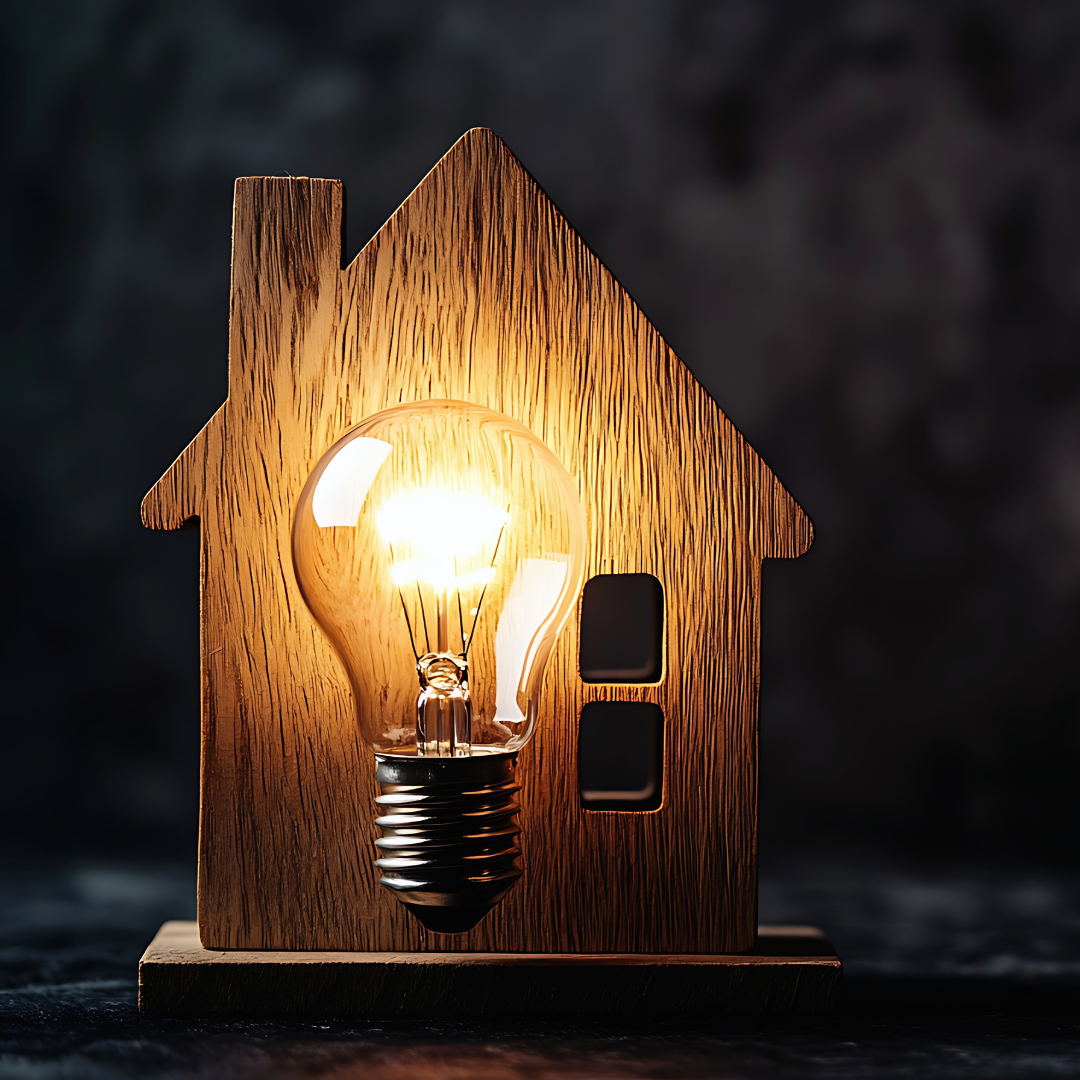
Saving energy at home is essential for reducing utility bills and minimizing environmental impact. Simple changes like using energy-efficient appliances, improving insulation, and managing heating and cooling can make a significant difference.
The best methods for conserving energy at home include upgrading to LED lighting, sealing air leaks, and using programmable thermostats to optimize energy use. These practical steps help maintain comfort while cutting unnecessary energy waste.
Understanding how energy flows through your living space allows you to target areas where savings are possible. Adopting these strategies can lead to both immediate and long-term benefits.
Understanding Household Energy Consumption
Energy use in homes varies widely based on appliances, habits, and structural factors. Knowing which devices consume the most power and where energy loss happens can guide more effective conservation efforts.
Identifying High-Energy Appliances
Certain appliances consistently use more electricity and contribute disproportionately to your energy bill. Heating and cooling systems, water heaters, refrigerators, and clothes dryers are typically the largest energy consumers.
For example:
- Space heaters and air conditioners: Can draw 1,500 watts or more per hour.
- Refrigerators: Run 24/7, often using around 100-800 kWh annually.
- Water heaters: Can account for 14%-18% of a home’s energy use.
Understanding these appliances’ typical power demands helps prioritize where energy-saving measures will have the most impact.
Measuring Home Energy Usage
Accurate measurement is vital to spotting wasteful energy use. Smart meters provide real-time data on overall consumption and cost, enabling daily tracking.
Using plug-in energy meters for appliances reveals specific device consumption. These meters show wattage and help identify inefficient items.
Home energy audits performed by professionals use specialized tools to evaluate insulation, HVAC efficiency, and appliance performance. These audits provide a detailed breakdown of energy losses throughout the house.
Common Energy Leaks in Homes
Energy leaks increase consumption by making heating and cooling systems work harder. The most frequent points include:
- Windows and doors: Poor seals cause drafts.
- Attics and walls: Inadequate insulation reduces heat retention.
- Ductwork: Leaks decrease HVAC efficiency.
Sealing leaks with weatherstripping, caulking, and adding insulation can reduce these losses by up to 30%. Identifying and fixing leaks is crucial for lowering energy bills and improving comfort.
Optimizing Heating and Cooling Efficiency
Effective energy conservation in heating and cooling depends on precise temperature control, minimizing unwanted heat loss or gain, and enhancing the building envelope. Small changes in settings and sealing can lead to noticeable savings.
Thermostat Settings and Automation
Setting your thermostat to 68°F (20°C) in winter and 78°F (26°C) in summer can reduce energy use without sacrificing comfort. Lowering the temperature at night or when the house is empty by 7-10°F can save up to 10% on heating and cooling costs.
Programmable and smart thermostats adjust temperatures automatically based on schedules or occupancy. This prevents energy waste and maintains consistent indoor comfort. Features like geofencing allow the system to activate only when residents are nearby, cutting unnecessary heating or cooling.
Regularly cleaning or replacing filters and ensuring vents are unobstructed optimizes system performance, reducing energy consumption and extending equipment lifespan.
Improving Home Insulation
Proper insulation reduces heat transfer through walls, ceilings, and floors, preserving indoor temperatures. Areas such as attics and basements should have at least R-30 to R-49 insulation depending on the climate zone.
Materials like fiberglass, cellulose, or foam boards each offer different R-values and installation options. Sealing gaps around insulation enhances its effectiveness by preventing drafts.
Adding insulation to older homes can improve comfort and reduce heating and cooling demand significantly. Focus on areas with high heat loss, including exterior walls and ductwork in unconditioned spaces.
Sealing Windows and Doors
Windows and doors are major sources of air leaks, resulting in heat loss during winter and heat gain in summer. Applying weatherstripping or door sweeps effectively blocks these leaks.
Use caulk to seal cracks around window frames and door trim. Double-pane or energy-efficient windows with low-emissivity (low-E) coatings also reduce thermal exchange.
Installing storm doors and window films adds extra barriers against conduction and infiltration. These measures reduce the workload on heating and cooling systems, saving energy and improving indoor comfort.
Enhancing Lighting Efficiency
Improving lighting efficiency involves selecting energy-saving bulbs, making the most of natural sunlight, and using technology to control lighting usage. These strategies reduce electricity consumption and lower utility bills.
Switching to LED Bulbs
LED bulbs use up to 75% less energy than traditional incandescent bulbs. They also last 15 to 25 times longer, which reduces replacement frequency and waste.
LEDs produce less heat, which can lower cooling costs in warmer months. They are available in various color temperatures, allowing customization for different rooms and purposes.
Switching to LEDs requires minimal upfront investment and offers immediate energy savings. Look for ENERGY STAR-certified bulbs to ensure quality and efficiency.
Maximizing Natural Light
Natural light reduces the need for artificial lighting during the day. Position workspaces near windows to take advantage of sunlight.
Use light-colored walls and reflective surfaces to enhance light distribution. Keep windows clean and unobstructed by heavy drapes or furniture.
Consider installing skylights or solar tubes in rooms with limited window access. These options increase daylight penetration without compromising insulation.
Utilizing Sensors and Timers
Sensors and timers limit energy use by turning lights off when not needed. Motion sensors are effective in areas like hallways, bathrooms, and closets.
Timers automate lighting schedules, ensuring lights operate only during set hours. This method is useful for outdoor and security lighting.
Smart lighting systems combine sensors and timers, allowing remote control and monitoring. Implementing these devices minimizes human error in turning off lights.
Reducing Water Heating Costs
Controlling water heating expenses involves managing temperature settings, optimizing fixtures, and improving insulation. These strategies help lower energy use without sacrificing comfort.
Setting Water Heater Temperature
Set your water heater to 120°F (49°C) to balance comfort and efficiency. This temperature reduces the risk of scalding and saves energy compared to higher settings.
Avoid keeping the temperature above 130°F, as it wastes electricity or gas while offering no added benefit. Electric water heaters respond quickly to adjustments, making it easier to maintain optimal temperature.
Regularly check your water heater to ensure the thermostat is accurate. If possible, use a water heater with built-in energy-saving features like vacation mode or programmable timers.
Installing Low-Flow Fixtures
Low-flow showerheads and faucets can cut hot water use by 25-60%. These fixtures use less water per minute, reducing the volume of water that must be heated.
Look for products labeled with the WaterSense certification, which guarantees efficiency without compromising water pressure. Installation is simple and often requires basic tools.
Using aerators on faucets also decreases flow, further lowering hot water demand. This step is cost-effective and improves overall energy savings.
Insulating Water Heaters and Pipes
Insulating your water heater tank and hot water pipes limits heat loss and reduces the energy needed to maintain the temperature. Use an insulation blanket rated for your heater type.
Wrap hot water pipes with foam sleeves or pipe wrap insulation. This prevents heat from escaping as water travels to faucets, especially over long distances.
Focus insulation on unheated areas such as garages or basements. Proper insulation can reduce standby heat loss by 25% to 45%, directly decreasing energy bills.
Smart Home Technology for Energy Conservation
Smart home technology offers precise control over energy use, allowing homeowners to reduce waste and optimize efficiency. By integrating devices that monitor consumption and automate power management, energy savings can be achieved without constant manual effort.
Smart Plugs and Power Strips
Smart plugs and power strips enable remote control of electronic devices through smartphone apps or voice commands. They can cut power to standby electronics, which often consume energy even when turned off.
Many models include features like scheduling and energy usage tracking. For example, scheduling a smart plug to turn off a gaming console overnight prevents unnecessary power draw.
Smart power strips take this further by cutting electricity to multiple devices simultaneously based on activity. This is especially useful for entertainment centers with many components that continue drawing phantom power when not in active use.
Energy Monitoring Systems
Energy monitoring systems track real-time electricity usage at the device or whole-home level. Homeowners receive detailed reports showing which appliances consume the most power and when peak usage occurs.
This data helps identify inefficiencies and informs decisions about behaviors or upgrades. Some systems integrate with smart thermostats or plugs to automate adjustments based on energy consumption patterns.
Advanced monitors provide alerts about unusual spikes or abnormal usage, enabling early detection of malfunctioning appliances that waste energy.
Automated Appliance Scheduling
Automated appliance scheduling uses timers or smart home hubs to control when devices operate. Scheduling avoids running machines like washers, dryers, or water heaters during peak energy rate periods.
Automation ensures that appliances run only when needed—for instance, setting a dishwasher to operate overnight when rates are lower. This reduces electricity costs without sacrificing convenience.
By combining scheduling with sensors or occupancy data, systems can prevent energy use in empty rooms or adjust settings based on actual demand, further cutting unnecessary consumption.
Appliance Upgrades and Maintenance
Improving home energy efficiency often involves selecting the right appliances and keeping them in good working order. Simple habits and thoughtful choices can make a measurable difference in energy consumption.
Choosing Energy-Efficient Appliances
When replacing appliances, look for those labeled with the Energy Star certification or similar ratings. These models meet strict energy efficiency guidelines set by government agencies. Choosing appliances with high energy-efficiency ratings can reduce electricity use by up to 30-50%, depending on the device.
Focus on major energy consumers like refrigerators, washing machines, and air conditioners. For example, modern refrigerators use inverter compressors that adjust cooling power as needed. This results in reduced energy wastage compared to older, single-speed models.
Check the appliance’s energy guide label to assess estimated annual electricity consumption. Compare this number across brands and models to choose the lowest usage. While initially more expensive, energy-efficient appliances typically have a faster return on investment due to lower utility bills over time.
Proper Appliance Maintenance
Regular maintenance is essential to keep appliances operating efficiently. Dirty filters, worn-out gaskets, or clogged vents cause machines to work harder, pushing energy use higher.
For refrigerators and freezers, clean the coils twice a year to improve cooling efficiency. Check door seals for leaks and replace them if cracked or brittle. These simple steps prevent cold air loss that forces compressors to run longer.
Washing machines and dryers should also be cleaned regularly. Removing lint from the dryer vent improves airflow, cutting drying time and energy use. Additionally, using cold water cycles lowers electricity consumption without compromising cleaning performance.
Schedule annual professional inspections for complex systems like HVAC units. Preventive maintenance identifies issues early, reducing energy waste and expensive repairs.
Unplugging Devices When Not in Use
Many household electronics draw power even in standby mode—a phenomenon called phantom load. Devices such as televisions, chargers, and coffee makers contribute to hidden energy consumption when plugged in but turned off.
Unplugging these devices, or using smart power strips that cut power completely, can save 5-10% on electricity bills. Chargers left plugged in continue to draw power without charging any devices, so disconnect them when not actively charging.
For convenience, group electronics on power strips. Turning off one switch cuts power to multiple devices simultaneously, simplifying the habit. This method reduces wasted energy without altering user routines drastically.
Renewable Energy Options for Homes
Renewable energy systems can reduce utility bills and lower carbon footprints. Each option varies in installation complexity, cost, and energy output. Understanding these factors is crucial for making an informed decision.
Installing Solar Panels
Solar panels convert sunlight into electricity using photovoltaic cells. They require a south-facing roof area free of obstructions for maximum efficiency. The initial investment ranges from $10,000 to $30,000, depending on system size.
Panels typically last 25-30 years and need minimal maintenance, mostly cleaning and inspections. Incentives like tax credits and rebates can significantly reduce upfront costs. Solar systems can be grid-tied or off-grid, allowing homeowners to choose based on their energy needs and backup preferences.
Exploring Solar Water Heaters
Solar water heaters use solar energy to heat household water. They consist of solar collectors installed on the roof, a storage tank, and a circulation system. These systems can reduce water heating costs by 50% to 80%.
There are two main types: active (with pumps) and passive (that rely on gravity). Installation costs range between $3,000 and $7,000. Suitable for homes with sufficient sunlight, solar water heaters reduce reliance on electricity or gas for water heating.
Residential Wind Power Solutions
Residential wind turbines convert wind energy into electricity. Ideal sites have average wind speeds above 9 mph, typically in open or rural areas. Turbine sizes for homes range from 400 watts to 20 kilowatts.
Initial costs vary widely, from $10,000 to $70,000, including installation. Wind power systems often require zoning permits and regular maintenance, such as lubrication and blade inspections. Combining wind turbines with solar panels can create a more consistent renewable energy setup.
Lifestyle Changes for Energy Savings
Adopting small yet consistent changes in daily routines, conducting periodic checks on energy use, and involving everyone in the household can reduce overall energy consumption. These focused steps target the most frequent sources of waste and inefficiency in home energy.
Adjusting Daily Energy Habits
Simple actions like switching off lights when leaving a room and unplugging devices not in use can cut unnecessary energy use immediately. Using natural light during the day reduces reliance on artificial lighting.
Setting heating and cooling thermostats just a few degrees lower in winter or higher in summer leads to significant savings. Using energy-efficient appliances consistently and running full loads in washers and dishwashers optimizes power consumption.
Tracking the times appliances run can help shift energy use to off-peak hours, which may reduce utility costs. These habits require minimal effort but have measurable benefits over time.
Conducting Regular Home Energy Audits
Regularly checking the home for areas where energy escapes helps identify specific improvements. Inspect doors, windows, and insulation for drafts and seal leaks to prevent heat loss.
Review appliance efficiency and replace old, power-hungry devices with ENERGY STAR-rated models when possible. Monitoring power bills can also reveal unusual spikes, indicating hidden energy waste.
Professional audits provide detailed analysis, but homeowners can start with simple tools like thermal cameras or smart meters. Documenting energy usage patterns helps prioritize upgrades based on potential savings.
Educating Household Members
Ensuring everyone understands the impact of their energy choices encourages cooperation. Teach basic practices like turning off lights, limiting standby power use, and managing heating or cooling controls properly.
Use clear visual reminders or charts in shared spaces to track responsible energy behavior. Encourage feedback and discussions about new ideas to reduce energy consumption further.
Involving children and adults alike creates a culture of accountability and reinforces consistent energy-saving habits over time.
Leave a Reply