
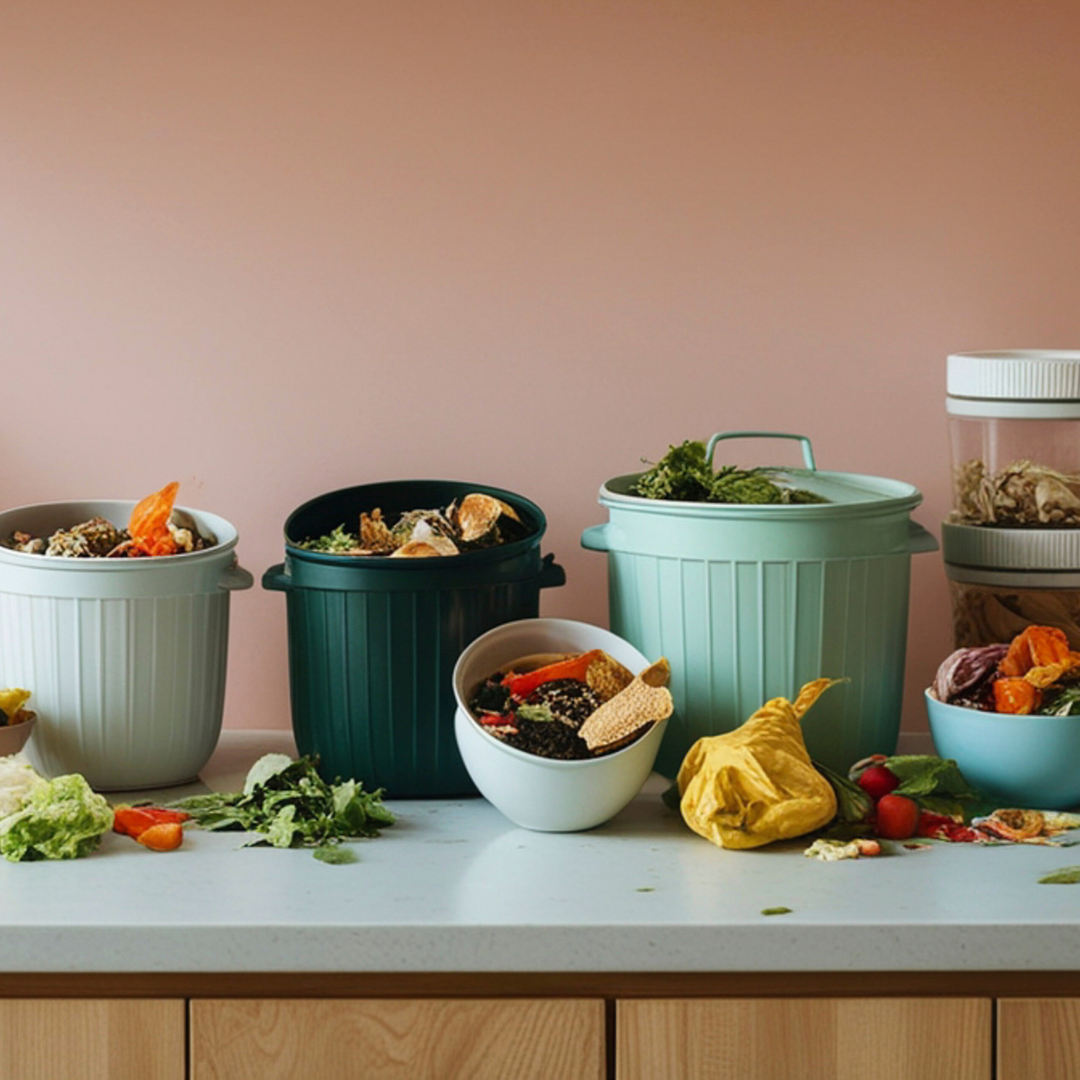
Creating a zero-waste kitchen starts with minimizing single-use items and focusing on reusable alternatives. The key is to plan meals carefully, buy in bulk, and compost organic waste to reduce trash output effectively. Small changes in habits can lead to significant reductions in kitchen waste.
Using glass containers, cloth bags, and avoiding pre-packaged foods helps maintain a sustainable kitchen setup. Reducing food waste by preserving leftovers and understanding expiration dates also plays a major role. This approach makes managing a zero-waste kitchen straightforward and practical.
Understanding Zero Waste Principles
Creating a kitchen with minimal waste involves specific practices and clear goals. These focus on avoiding unnecessary materials, maximizing the use of resources, and addressing common misconceptions that may prevent effective action.
What Is Zero Waste
Zero waste aims to reduce the amount of trash sent to landfills by redesigning how resources are used. It prioritizes refusing non-essential items, reducing consumption, reusing containers and materials, recycling when necessary, and composting organic waste.
The kitchen plays a vital role since food packaging and scraps generate significant waste. Implementing zero waste means choosing bulk products, buying loose produce, and eliminating disposable packaging where possible. It also involves planning meals to minimize food spoilage and using leftovers creatively.
Benefits of a Zero Waste Kitchen
A zero-waste kitchen lowers household expenses by reducing purchases of single-use items and food waste. It promotes health through fresher ingredients and less exposure to plastic packaging chemicals.
Environmental benefits include less demand for landfill space, decreased pollution, and minimized resource extraction. The kitchen becomes more organized and efficient with containers, reusable items, and systematic waste separation.
Socially, adopting zero-waste practices encourages responsible consumption habits and may inspire community-level changes.
Common Myths About Zero Waste
Zero waste is expensive. While some initial investments are needed, long-term savings on food and packaging often offset this.
It requires a lot of time and effort. Simple changes like using cloth bags or buying in bulk are easy steps. Full zero-waste levels develop gradually.
Zero waste means producing no trash at all. The aim is to minimize unavoidable waste, not eliminate it completely.
It’s only for environmentalists. Anyone interested in saving money, reducing clutter, or living more sustainably can benefit.
Evaluating Your Current Kitchen Waste
Understanding where most waste is generated helps target reduction efforts effectively. Measuring food loss and identifying disposable packaging types clarifies steps to minimize waste in daily kitchen activities.
Identifying Major Waste Sources
Begin by categorizing your kitchen waste over a week. Separate items into food scraps, packaging, and single-use products.
Track which areas produce the most trash by weighing or counting each category. For example, leftover food, peelings, and spoiled produce often form significant portions of waste.
Note specific patterns, such as frequent disposal of certain fruits or excess plastic bags. Recording these details reveals habits contributing to avoidable waste.
Assessing Food Waste
Examine discarded food closely to understand spoilage causes. Sort waste by type: fruits, vegetables, dairy, or cooked leftovers.
Identify common reasons for tossing food, like improper storage, over-purchasing, or expiration. Keeping a log for two weeks highlights recurring problems.
Use this data to adjust shopping and meal planning habits. For instance, buying smaller quantities or improving refrigeration can reduce spoilage.
Tracking Packaging and Single-Use Items
Catalog packaging types are routinely discarded to find reduction opportunities. Group items like plastic wraps, single-use containers, and disposable cutlery together.
Note packaging frequently used and assess if reusable alternatives exist, such as glass jars in place of plastic.
Highlight brands and products with excessive packaging. Opting for bulk purchases or refill stations can cut down packaging waste efficiently.
Setting Up for Success
Creating a zero-waste kitchen begins with having the right tools, clear organization, and choosing sustainable ingredients. Preparing your space effectively helps reduce waste and improve efficiency.
Essential Tools for a Zero Waste Kitchen
Start with reusable storage containers such as glass jars and stainless steel tins. These replace disposable plastic bags and cling wrap. Beeswax wraps are a good alternative for covering food.
Invest in a compost bin to capture food scraps. A hand-held food scale helps in buying and storing exact portions, minimizing leftovers. Cloth produce bags eliminate single-use plastic bags when shopping.
Basic cleaning items like refillable soap dispensers and bamboo cleaning brushes reduce packaging waste. Choose tools made from durable, non-plastic materials to ensure long-term use.
Organizing Storage and Supplies
Organize dry goods in airtight containers that are stackable and labeled. This keeps food fresh longer and reduces packaging clutter. Clear containers allow quick visual inventory checks.
Group items by category: grains, legumes, snacks, and baking ingredients. Keep frequently used items within easy reach. Use baskets or bins to keep smaller packages together.
Store perishables in reusable silicone or cloth bags inside the fridge. Keep a list on the fridge door to track what needs to be used soon. Regularly check expiration dates to limit food spoilage.
Sourcing Sustainable Ingredients
Buy local and seasonal produce to reduce transport emissions and packaging waste. Visit farmers’ markets or join a community-supported agriculture (CSA) program for the freshest, least packaged options.
Choose bulk buying for staples like rice, beans, nuts, and herbs. Bring your own containers when shopping for bulk items to avoid plastic packaging. Opt for organic or minimally processed foods to reduce environmental impact.
Consider plant-based proteins more often to lessen reliance on resource-heavy animal products. When selecting meat or dairy, prioritize well-reviewed local farms with ethical practices.
Reducing Food Waste
Effective strategies focus on planning meals carefully, storing food properly, and finding new ways to use leftovers. These approaches help minimize waste and save money while keeping the kitchen organized and efficient.
Meal Planning and Smart Shopping
Plan meals for the week based on what you already have and what you need. Create a detailed shopping list and stick to it to avoid impulse buys that may spoil before use.
Buy perishable items in smaller quantities and shop more frequently if possible. Choose loose fruits and vegetables so you can buy only the amount necessary.
Use apps or tools to track pantry inventory. This prevents duplicate purchases and helps prioritize using older items first.
Consider recipes that share ingredients across multiple meals to maximize the use of purchased food. Avoid products with excessive packaging to reduce waste from both food and trash.
Proper Food Storage Techniques
Store fruits and vegetables according to their ideal conditions to extend freshness—some need refrigeration, others last better at room temperature.
Use airtight containers to keep food fresh longer and to prevent odors from spreading. Label containers with purchase or preparation dates for easy tracking.
Keep raw meat and seafood sealed separately from other foods to prevent cross-contamination and spoilage.
Freeze leftovers or items nearing expiration if you won’t consume them immediately. Use clear containers to easily identify contents in the freezer.
Implement a first-in, first-out system to use older items before newer ones.
Creative Use of Leftovers
Transform leftovers into new meals to avoid throwing away edible food. For example, roast vegetables can be blended into soups or added to salads.
Cooked grains and proteins from one meal can be repurposed into stir-fries, wraps, or casseroles.
Make stocks or broths from vegetable peels, bones, and scraps instead of discarding them.
Keep portion sizes manageable to limit waste at the source, reducing the amount of leftovers generated.
Regularly check leftovers for spoilage and consume or freeze them promptly. Use clear labeling with dates to avoid accidental spoilage.
Minimizing Packaging and Single-Use Plastics
Reducing reliance on packaging and single-use plastics involves selecting products wisely, adopting reusable items, and storing food safely without plastic. These strategies lower waste and support a sustainable kitchen environment.
Choosing Bulk and Package-Free Products
Buying in bulk reduces packaging waste and often saves money. Look for stores that allow customers to bring their own containers for items like grains, nuts, and spices.
Products such as fresh produce, bread, and dairy can often be found package-free at farmers’ markets or specialized stores. Avoid pre-packaged goods when possible, and opt for items labeled with minimal or compostable packaging.
When purchasing packaged goods, choose those in recyclable glass, metal, or paper containers over plastic. Keep a small scale and reusable bags handy to make bulk shopping more convenient.
Reusable Alternatives for Common Kitchen Items
Replace single-use plastics with durable materials. Use silicone, glass, or stainless steel containers instead of plastic wrap or bags. Beeswax wraps offer an effective, washable substitute for cling film.
Invest in sturdy produce bags made from cotton or mesh to avoid plastic ones at checkout. Use reusable coffee filters and cloth napkins instead of disposable paper products.
For utensils and straws, choose metal or bamboo versions. These alternatives reduce daily plastic waste and last significantly longer.
Safe Storage Without Plastic
Glass jars with airtight lids are excellent for storing leftovers, dry goods, and liquids. They don’t absorb odors or stains and are easy to clean.
Silicone lids and stretchable food covers can replace plastic wraps, keeping food fresh without waste. Mason jars serve well for portioning and meal prep.
Use cloth bags or stainless steel containers for transporting food safely. Avoid plastic containers that can leach chemicals or degrade over time, opting instead for materials with longer lifespans and better food safety.
Eco-Friendly Cooking and Cleaning Practices
Reducing waste in the kitchen involves mindful preparation, smart ingredient use, and effective cleaning methods. Practical steps include minimizing packaging, reusing resources, and managing organic waste.
Low-Waste Cooking Techniques
Plan meals to use whole ingredients and leftovers creatively. For example, use vegetable peels in stocks or transform stale bread into croutons. Choose bulk or unpackaged items when shopping to cut down on unnecessary packaging.
Cooking methods that reduce energy use are also important. Use lids on pots to lower cooking times and retain heat. Prepare meals in batches to save both ingredients and energy.
Store food properly to extend freshness and avoid spoilage. Use reusable containers instead of single-use plastics. Label leftovers with dates to keep track of usage and reduce waste.
Green Cleaning Solutions
Avoid chemical cleaners by using natural alternatives like vinegar, baking soda, and lemon. These ingredients can disinfect, deodorize, and scrub surfaces safely.
For example, a solution of vinegar and water cleans countertops effectively. Baking soda works well for scrubbing sinks and removing odors. Lemon juice acts as a natural bleach and grease cutter.
Use microfiber cloths instead of disposable paper towels for cleaning. They can be washed and reused many times. This reduces paper waste and lowers overall cleaning supply consumption.
Composting Kitchen Scraps
Set up a compost bin for vegetable peels, coffee grounds, eggshells, and other organic waste. This cuts landfill contributions and produces nutrient-rich soil for gardening.
Avoid composting meat, dairy, or oily foods as they can attract pests. Use a kitchen compost pail with a tight-fitting lid to control odors.
If you lack outdoor space, consider vermicomposting with worms indoors. Regularly turn the compost to speed up decomposition and monitor moisture levels to keep it balanced.
Maintaining and Adapting Your Zero Waste Kitchen
Sustaining a zero-waste kitchen requires consistent effort and flexibility. Establishing routines, engaging all household members, and addressing challenges head-on keep the system effective and realistic.
Building Sustainable Habits
Start by integrating simple daily practices like composting food scraps and using reusable containers for storage. Consistency is key; make steps small and manageable to avoid burnout.
Track your waste output weekly to identify patterns and opportunities for improvement. Swap single-use products gradually—replace paper towels with cloth rags, and plastic wrap with beeswax wraps.
Tips for building habits:
- Set reminders for taking out compost
- Designate specific bins for recycling, compost, and trash
- Meal prep using bulk ingredients to reduce packaging waste
Reinforcing these habits turns zero-waste efforts into routine behavior.
Involving Household Members
A zero-waste kitchen is more effective when everyone contributes. Educate family members on sorting waste and selecting packaging-free goods. Share responsibilities clearly to encourage participation.
Hold regular discussions to address concerns and celebrate progress. Collaborative goal-setting can empower all members to stay committed.
Ways to engage household members:
- Create a rotating schedule for managing compost and recycling
- Involve children by teaching simple tasks like rinsing containers
- Share tips via a kitchen notice board or group chat
Effective communication and shared accountability foster a supportive, eco-friendly environment.
Overcoming Common Challenges
Challenges include forgetting to bring reusable bags, dealing with impulse purchases, and limited zero-waste shopping options. Prepare by keeping reusable items visible and accessible near exit points.
Plan grocery trips with a checklist focused on package-free or minimal packaging items. When faced with unavoidable packaging, commit to recycling or repurposing rather than tossing.
Use these strategies to address issues:
| Problem | Strategy |
| Forgetting reusable bags | Keep bags in the car or by the door |
| Limited package-free options | Buy in bulk stores or online |
| Impulse purchases | Stick to a shopping list |
Flexibility and planning reduce frustration and maintain zero-waste progress.
Community and Advanced Zero Waste Tips
Engaging with local communities and refining habits beyond basics strengthens a zero-waste kitchen. Actions like supporting neighborhood efforts and organizing eco-conscious events create practical impact. Continuous learning and innovative adjustments also help maintain momentum.
Supporting Local Zero Waste Initiatives
Identify and participate in local zero-waste groups or markets. These often host bulk stores, swap events, or repair workshops that reduce packaging waste. Being active in these settings offers direct access to sustainable products and knowledge exchanges.
Volunteer for clean-up days or educational outreach. These actions increase community awareness and build support for broader systemic changes. Collaboration also introduces new strategies and resources for zero-waste living.
Key actions include:
- Shopping at farmers’ markets or package-free stores
- Joining online community forums focused on sustainability
- Donating excess food or reusable containers to local programs
Hosting Zero Waste Gatherings
Plan social events that emphasize waste reduction. Use reusable dishes, cutlery, and cloth napkins instead of disposables. Encourage guests to bring containers for leftovers to avoid single-use bags.
Focus on bulk and unpackaged foods to minimize packaging waste. Share information about zero-waste practices during the event to inspire others. Simple steps, such as composting scraps or offering water filters instead of bottled drinks, support the zero-waste goal.
Tips for hosting:
- Promote a “bring your own” policy for cups and plates
- Prepare recipes using minimal packaging ingredients
- Set up clearly labeled bins for recycling and composting
Innovative Tips for Ongoing Improvement
Track waste output regularly to identify problem areas. Introduce systems like meal planning to reduce food spoilage and over-purchasing. Try creative storage solutions such as silicone pouches or glass jars to replace plastic bags.
Experiment with DIY cleaning products or homemade alternatives for kitchen use. This lowers plastic waste and avoids harmful chemicals. Upgrade kitchen tools slowly by choosing durable, repairable items instead of cheap, disposable versions.
Consider:
| Strategy | Benefit | Example |
| Bulk purchasing | Less packaging waste | Refill containers at co-ops |
| Food scrap composting | Reduces landfill contribution | Use a countertop compost bin |
| Reusable wraps | Cuts down on single-use plastics | Beeswax wraps for leftovers |
Leave a Reply